
RECAPRUSH MOVIE GUIDE
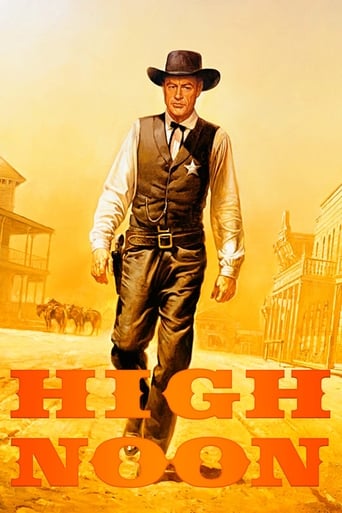
High Noon (1952)
Directed by Fred Zinnemann
Will Kane, the sheriff of a small town in New Mexico, learns a notorious outlaw he put in jail has been freed, and will be arriving on the noon train. Knowing the outlaw and his gang are coming to kill him, Kane is determined to stand his ground, so he attempts to gather a posse from among the local townspeople.
Overview, poster, and credits from TMDB.
Read and watch our full recap ↓FROM THE RECAPRUSH LIBRARY · FULL RECAP
High Noon (1952) Recap & Ending Explained: Why Will Kane Throws Away His Badge
11 min read · Estimated reading time— views
Intro + RecapRush Viewpoint
High Noon gives its marshal a victory and then denies him the usual reward of belonging. Will Kane survives the men coming to kill him, but he leaves the community he has protected. The badge in the dust separates two things a conventional Western often joins together: doing the necessary work and continuing to trust the people who benefit from it.
RecapRush interpretation: The final gesture is a refusal to let the town turn his survival into proof that its abandonment did no harm. The killers lose. The bystanders do not therefore become innocent.
Full spoilers: This guide covers Fred Zinnemann’s 1952 film, including Amy’s intervention, Frank Miller’s death and the discarded star. Plot reporting is checked against the references below; our interpretations are identified as commentary, not a claim of first-hand viewing.
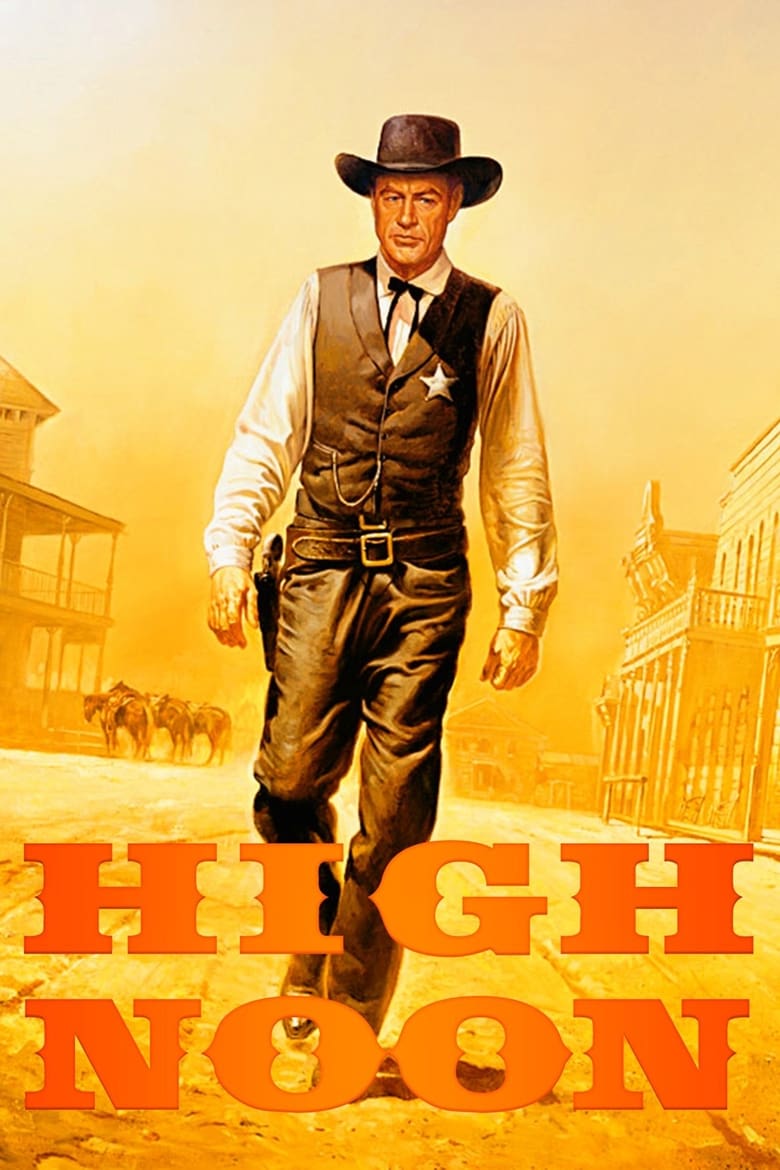
Table of Contents
Quick Facts
- Film: High Noon (1952)
- Director: Fred Zinnemann
- Screenplay: Carl Foreman
- Story source: John W. Cunningham’s “The Tin Star”
- Runtime: Approximately 85 minutes
- Genre: Western
- Country / language: United States / English
- Principal cast: Gary Cooper, Grace Kelly, Katy Jurado, Lloyd Bridges, Thomas Mitchell and Otto Kruger
- TMDB movie ID: 288
Release-date note: AFI lists July 30, 1952 as the release date and July 24 as the New York opening. TMDB’s general date differs, so this guide uses the clearly identified AFI U.S. release entry rather than treating the database dates as interchangeable. Runtime is consistent with Paramount and BFI’s 85-minute listings. [1–3]
Full Spoiler Recap
The wedding morning becomes a deadline
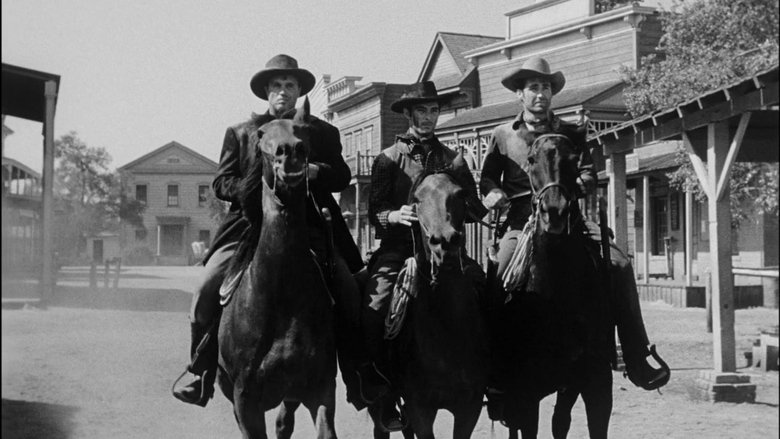
Marshal Will Kane marries Amy Fowler and prepares to retire from Hadleyville. Then he learns that Frank Miller, a criminal he helped imprison, is returning on the noon train. Three members of Miller’s gang are waiting at the station. Kane and Amy initially leave, but he turns back, believing flight will not end the danger. Amy, a Quaker who rejects violence, says she will depart by train if he stays. [1]
The immediate threat is personal, yet Kane’s search for help turns it into a test of the community. People who live under the order he helped establish must decide whether protecting it requires anything from them. [2]
Support becomes conditional
Judge Mettrick leaves. Deputy Harvey Pell wants Kane’s support for promotion before agreeing to help, and withdraws when Kane refuses the bargain. Kane’s appeals elsewhere produce excuses, hostility and hesitation. At church, the possibility of collective action dissolves into an argument that his presence may be the real source of trouble. The mayor worries about the town’s prospects and reputation. [1, 4]
Helen Ramírez, who has a past with Kane and Miller, prepares to leave too. Amy speaks with her and explains the family losses behind her pacifism. Their disagreement makes Amy’s position more than a simple lack of loyalty. [5]

Noon arrives without a posse
The remaining adult volunteer backs out when he realizes how little support Kane has. Kane refuses a boy’s offer of help. A later confrontation with Pell ends in a fistfight. Before going into the street, Kane writes his will. Amy and Helen board the train as Miller arrives. [5]
The preparations offer no comforting last-minute restoration of civic unity. The confrontation begins with Kane isolated, rather than with the town discovering courage at the sound of a whistle.
Amy returns, and the badge falls
Kane kills two gang members during the fight. A fire forces him from cover, and he is wounded. Amy hears the gunfire and returns. She shoots Jim Pierce, but Miller captures her and uses her to draw Kane out. She resists, creating the opening for Kane to kill him. [4, 5]
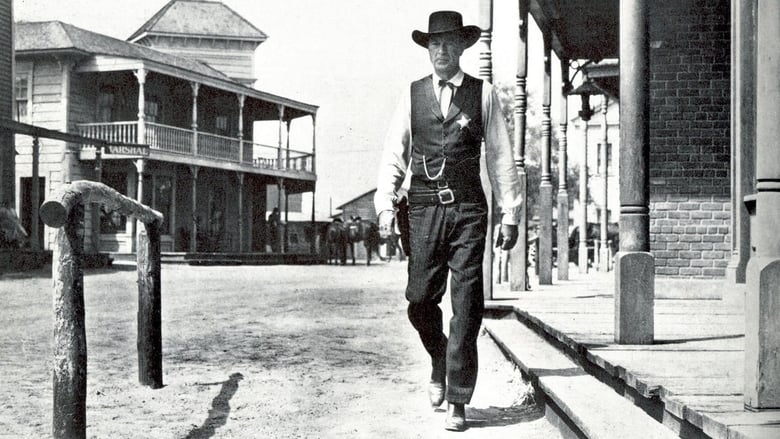
After the couple reunite, the townspeople emerge. Kane drops his star into the street, then leaves with Amy. The film closes on departure rather than a celebration of his return to office. [4]
Cast and Characters
Cast and Characters

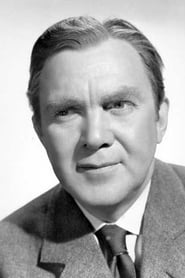
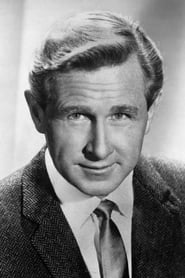


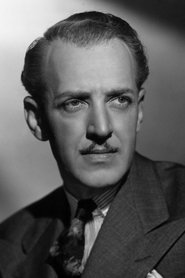
The accompanying TMDB portrait gallery links the credited performers to their RecapRush profiles. Cooper’s Kane is the person who must act; Kelly’s Amy must decide what action is compatible with her convictions. Jurado’s Helen sees the town’s loyalties without sharing its reassuring language. Bridges’s Pell turns a professional duty into a negotiation about recognition. Mitchell’s mayor and Kruger’s judge give institutional weight to withdrawal. [1, 2, 6]
These are distinct positions, not interchangeable examples of cowardice. The story becomes sharper when we notice what each person believes is being protected: life, status, economic security, principle or self-respect.
Ending Explained
Why does Kane throw away his badge?
The physical action is unambiguous: he discards the star and goes. [4] Its meaning is an interpretation. Our reading is that the town has broken the relationship the badge is supposed to represent. Kane has performed the dangerous part of public responsibility while the public has declined to stand with him.
Keeping the badge would let the ending resemble a restored partnership. Dropping it preserves the difference between removing Miller and repairing trust. A successful gunfight can accomplish the first; it cannot accomplish the second on the townspeople’s behalf.
The gesture also refuses a retrospective excuse. Because Kane survives, the crowd can gather without facing the body their decisions might have left in the street. His refusal prevents the result from rewriting their conduct during the uncertainty.
Does Amy reject her beliefs when she shoots Pierce?
Amy’s intervention is essential to the outcome. [5] That fact does not require a simple conclusion that all her earlier convictions were foolish.
RecapRush interpretation: Her dilemma differs from the mayor’s. She has a moral reason for rejecting violence and a personal history that gives it weight. When she returns, she accepts a terrible immediate choice rather than winning an argument about every possible use of force. The film supplies an action, not a speech announcing a complete new philosophy.
Calling her merely the woman who finally agrees with the hero would overlook how much the ending depends on her own decision. Kane cannot command her return. He survives with help he did not manage to recruit.
More from RecapRush
 The Social Reckoning (2026) Review & Ending Explained: Why Exposing Facebook Is Only the Beginning
 The Pitt Season 1 Recap & Ending Explained: Why Robby Finally Breaks
 The Fix (2026) Recap & Ending Explained: Why Clay Refuses to Leave Tucker Behind
Is Kane simply choosing pride over his marriage?
His decision costs Amy something on their wedding day. The film does not erase that conflict. Yet reducing the return to pride would accept the town’s preferred definition of the problem: remove Kane, and there will be nothing left to confront.
Our reading is that the film keeps two questions active. Can Kane leave danger behind by leaving the place? And can he live with accepting the terms Miller imposes? Neither question is answered by pretending Amy has no claim on his future. Duty becomes dramatic precisely because it collides with another legitimate commitment.
Deep Analysis
The church debate changes who appears responsible
The church offers a place where an individual appeal could become a shared decision. Instead, arguments about consequences begin to shift attention from the aggressor to the person refusing to get out of his way. [4]
RecapRush interpretation: That shift is the scene’s central mechanism. It is possible to sound practical while making surrender somebody else’s obligation. The mayor’s reasoning need not be insincere to be dangerous: concern for the community’s future becomes an argument for denying support in its present emergency.
The question is not whether economic security matters. It is whether that value excuses leaving all the physical risk with one person. A community that answers yes has effectively privatized the cost of its own public order.
Asking for help is part of Kane’s courage
Kane’s search for allies is sometimes treated as evidence that he falls short of a self-sufficient Western hero. BFI notes the controversy around that image and the film’s later political readings. [3]
Our reading goes the other way: asking people to act makes their refusal visible. If Kane simply announced that he needed nobody, the town could disappear from the moral calculation. Each appeal tests whether the institution he represents has a community behind it or only a uniform in front of it.
This makes his isolation different from glamorous independence. The empty street is not proof that other people are unnecessary. It is evidence that necessary help has failed to arrive.
The clock turns delay into a decision
The film’s compressed time and repeated clocks make waiting part of its action. AFI describes the story and running time as approximately aligned, rather than requiring the claim that every second matches exactly. [1]
RecapRush interpretation: A deadline gives evasions a measurable cost. A promise to help later can sound generous until later is the moment after the train arrives. No single refusal needs to consume much time; together, they exhaust what Kane has available.
The result is suspense built from conversation. A closed door or another debate can matter as much as a drawn pistol because it reduces the remaining possibilities. Before the final fight, the film has already shown a succession of losses.
A political reading is not a secret plot twist
BFI places High Noon within the history of Hollywood blacklisting and its interpretation as a response to McCarthy-era intimidation. AFI also records Zinnemann’s reluctance to describe his own approach in the same political terms. [1, 3]
Those accounts should not be flattened into a claim that every character has one officially assigned real-world counterpart. The documented production context matters; the film can also be read more broadly as a drama about conscience and withdrawal of support.
Our interpretation is that this openness helps the story endure. The specific institutions change, but the social maneuver remains recognizable: people praise a duty until doing it creates a cost for them.
What Most Viewers Missed
The departure happens twice, with different meanings
The opening offers departure as escape from an approaching confrontation. The ending offers departure after that confrontation has been faced. [1, 4] In our reading, the destination matters less than the changed relationship to the town: Kane no longer needs its permission to understand what it failed to do.
Being present after danger is not the same as helping during it
The crowd’s reappearance is not a rescue. The timing prevents the final gathering from functioning like the posse Kane wanted. An audience should not award the community credit for a risk it waited to see resolved.
Amy complicates the image of the lone gunman
Kane faces the street without his hoped-for allies, but he does not win without assistance. Remembering Amy’s intervention keeps the ending from becoming a slogan about never needing anybody. The film is angry about the failure of solidarity, not proof that solidarity is worthless.
Mid/Post-Credits
The sources checked for this guide describe the badge and the couple’s departure as the ending. They do not reliably establish a separate mid-credits or post-credits narrative scene. No additional scene is needed to explain the gesture, and this guide does not invent one.
Final Thoughts
High Noon ends with a rescued life and a damaged civic bond. The distinction makes the star in the street more forceful than another speech could be. Kane has answered the immediate threat; he refuses to pretend that the people watching have answered his earlier appeal.
The question the film leaves behind is not only whether someone will be brave enough to act. It is whether the rest of us will make that action unnecessarily solitary, then congratulate the survivor for proving our help was dispensable.
FAQ
Which High Noon does this guide cover?
Fred Zinnemann’s 1952 film starring Gary Cooper and Grace Kelly, TMDB movie 288—not the television remake. [1, 6]
Does Will Kane die?
No. He survives the confrontation and leaves with Amy. [4]
Who kills Frank Miller?
Kane shoots Miller after Amy resists being used as his hostage. [5]
Is Amy irrelevant to the final victory?
No. Her intervention changes the fight’s outcome. Treating the ending as a victory achieved entirely alone misses her role. [4, 5]
Is the embedded trailer for a new remake?
No. It is Eureka’s official Masters of Cinema restoration trailer for the 1952 film. The later restoration campaign does not change the movie’s release year. [7]
Join the conversation
What did you think of the ending? Share your interpretation. Spoilers may appear below.
This product uses the TMDB API but is not endorsed or certified by TMDB.
No comments yet. Start the conversation.