
RECAPRUSH MOVIE GUIDE
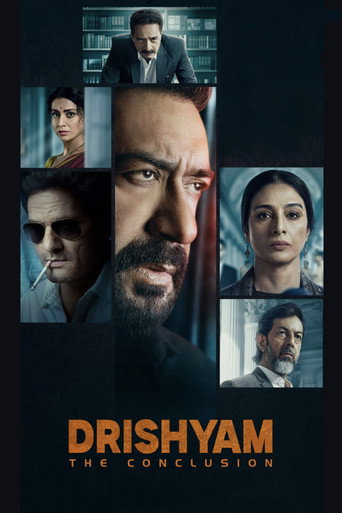
Drishyam: The Conclusion (2026)
Directed by Abhishek Pathak
Years after outsmarting the police, Vijay Salgaonkar's past resurfaces when new evidence threatens to expose his secret. As the investigation reopens, he must outwit the system once again to save his family.
Overview, poster, and credits from TMDB.
Read and watch our full movie recap ↓FROM THE RECAPRUSH LIBRARY · FULL MOVIE RECAP
Drishyam: The Conclusion (2026) Recap & Ending Explained: How Vijay Turns Surveillance Against the Police
10 min read · Estimated reading time— views
Intro + RecapRush Viewpoint
For three films, Vijay Salgaonkar has survived by treating ordinary life as a stage: every meal, journey, receipt and remembered sentence can become evidence if he places it carefully enough. Drishyam: The Conclusion finally asks what happens when the performance becomes the family’s permanent reality. The police return with stronger forensics, a new investigator and a discovery beneath the very station Vijay once used to hide the truth. This time, the danger is not merely prison. It is the possibility that his wife and daughters can no longer tell where protection ends and control begins.
RecapRush viewpoint: The final chapter is not really about whether Vijay can invent one more trick. It is about the price of making love indistinguishable from surveillance. He saves the Salgaonkars, but the ending refuses to pretend that freedom and peace are the same thing.
Full spoilers ahead. Plot facts below were checked against post-release reviews, ending reports, the filmmakers’ interviews and the verified TMDB record. Editorial interpretation is clearly labeled.
Featured Image
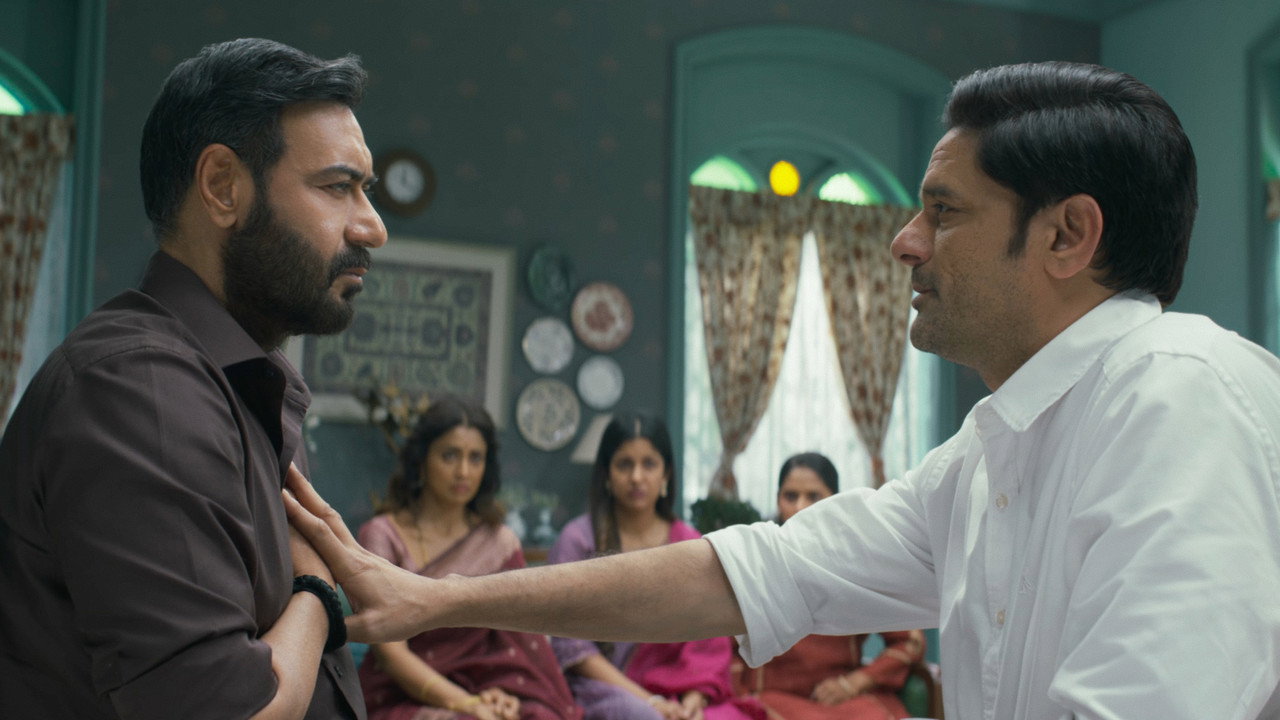
Table of Contents
Quick Facts
- Official title: Drishyam: The Conclusion
- Original Hindi title: दृश्यम: आखिरी हिस्सा
- Release date: October 2, 2026
- Director: Abhishek Pathak
- Screenplay: Abhishek Pathak, Aamil Keyan Khan and Parveez Shaikh
- Runtime: 148 minutes
- Genres: Thriller, Drama, Mystery, Crime
- TMDB movie ID: 1269325
- Principal cast: Ajay Devgn, Jaideep Ahlawat, Tabu, Shriya Saran, Rajat Kapoor, Prakash Raj, Ishita Dutta and Mrunal Jadhav
- U.S. weekend chart: No. 9 for October 2–4, 2026
Full Spoiler Recap
Vijay’s victory never became a normal life
Years after the earlier investigation, Vijay, Nandini, Anju and Anu remain outwardly free. Inwardly, they still live inside the secret surrounding Sameer Deshmukh’s death. Vijay’s cinema business and his family routines suggest stability, but that stability depends on everyone remembering exactly what can and cannot be said.
Meera Deshmukh has never accepted the loss of her son or Vijay’s escape. Mahesh understands her grief even when he sees the damage caused by her obsession. Their pain gives the new investigation its emotional force: to the Salgaonkars, Vijay is a protector; to Sameer’s parents, he is the man who turned their child into an unsolved absence.
Rajveer reopens the trap
SP Rajveer Singh Tomar approaches the old case without the same emotional history as the people who first pursued Vijay. He is methodical, patient and willing to use pressure rather than spectacle. Public prosecutor Indrajith Shetty prepares to turn new physical evidence into a case that can survive Vijay’s old alibi.
The apparent breakthrough is devastating. Human remains connected to the buried past are recovered from the soil around the police station, and DNA evidence appears to point back toward Sameer. The location is especially dangerous because it validates the central suspicion the authorities could never previously prove.
The Christopher Pinto identity changes the case
The investigation identifies the skeleton found at the station as belonging to Christopher Pinto rather than Sameer. That answer does not end the case; it creates a second test. If Pinto’s body was at the police station, what is inside the grave at St. Andrews Cemetery?
The prosecution argues that Vijay manipulated the remains and that the cemetery can expose his substitution. The grave is opened. Instead of producing a clean contradiction, however, it contains another old skeleton. Vijay has again arranged the physical world so that every official discovery leads to a plausible alternative.
The family’s own home becomes evidence
Rajveer’s strategy is not limited to bones and DNA. Vijay realizes that the Salgaonkar home has been monitored through people nearby. The investigator expects private conversations to reveal a contradiction that the family cannot maintain forever.
But Vijay has anticipated the surveillance. A recording from the crucial period captures him at home asking Nandini to heat dinner. It sounds like mundane domestic life — precisely the kind of detail that once formed his earlier alibi. In court, that ordinariness becomes decisive. The state has heard what it believes is the truth, but Vijay has already shaped the truth it is allowed to hear.
The court closes the case
The prosecution can show suspicion, motive and an extraordinary chain of coincidences. What it cannot establish beyond reasonable doubt is a stable, legally admissible account that defeats Vijay’s counter-evidence. The remains do not produce the certainty Rajveer expected, and the surveillance recording supports Vijay’s presence at home.
The court clears Vijay and his family and rules against reopening the matter again. Legally, the Salgaonkars have reached the conclusion promised by the title. Emotionally, nobody has escaped.
Cast + TMDB
Cast and Characters








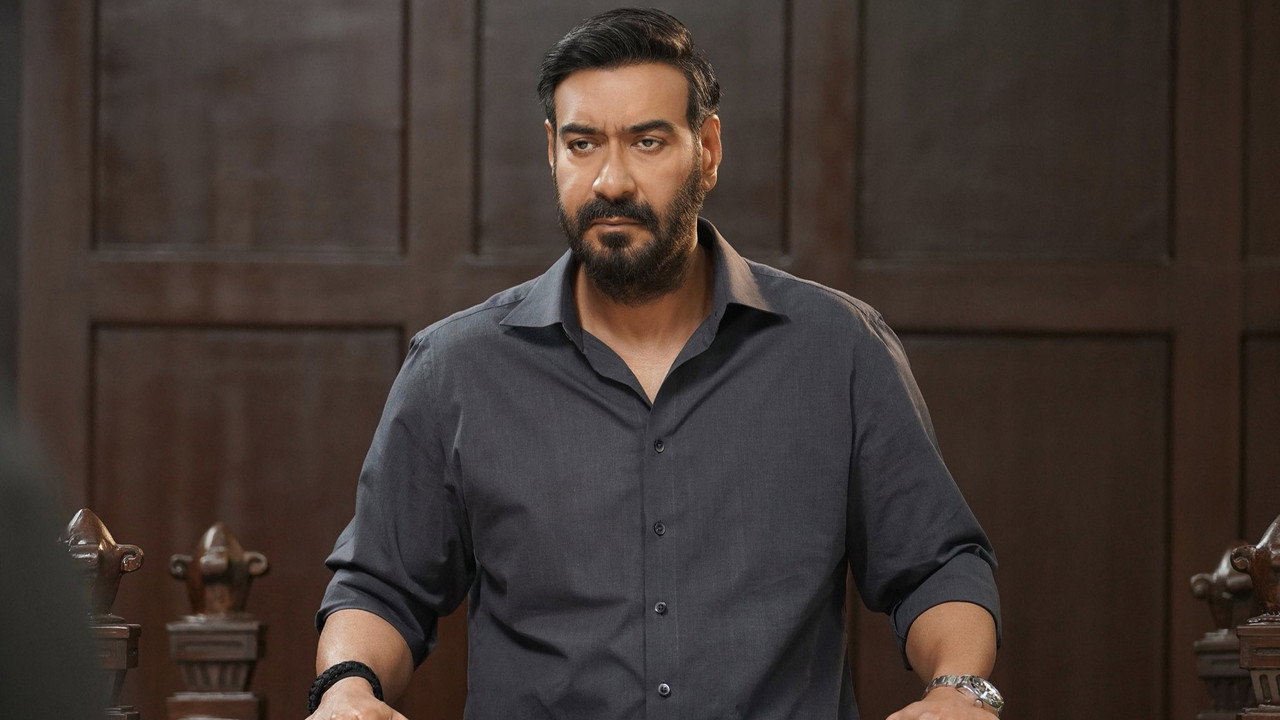
- Ajay Devgn — Vijay Salgaonkar: the father who turns observation, patience and narrative control into weapons.
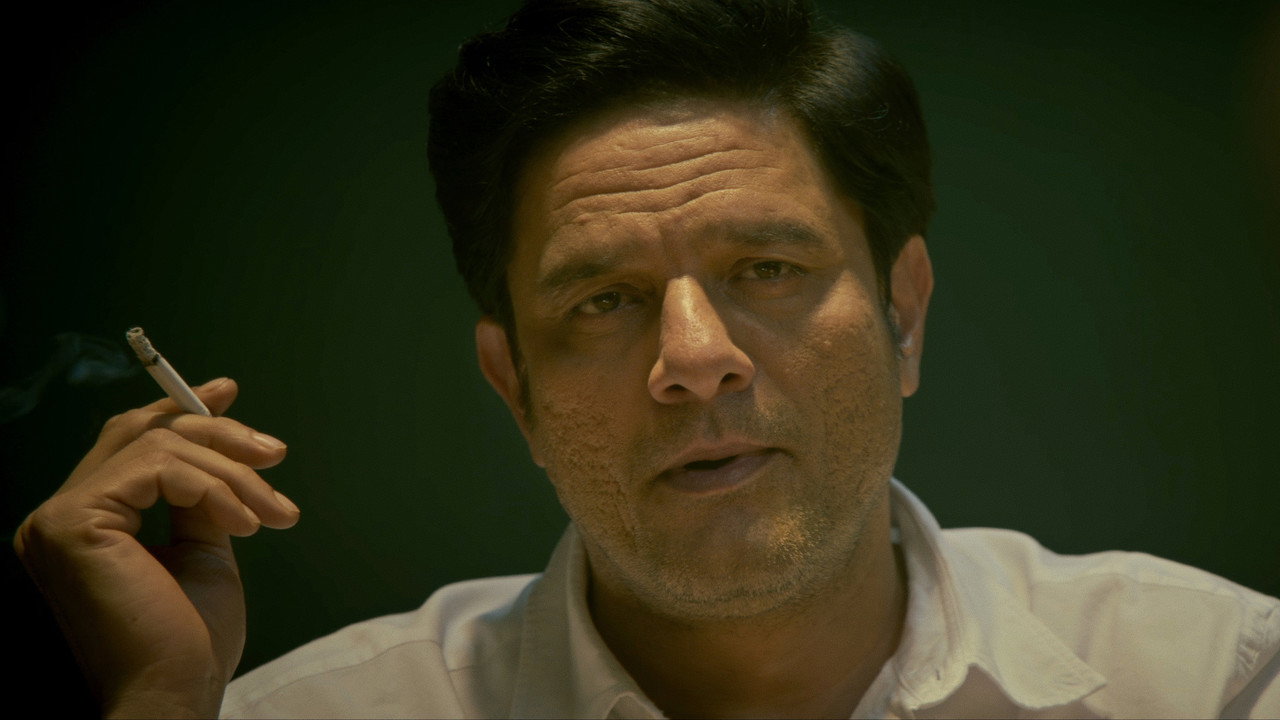
- Jaideep Ahlawat — SP Rajveer Singh Tomar: the new investigator who tries to defeat Vijay with modern procedure and surveillance.
- Tabu — Meera Deshmukh: Sameer’s mother, still driven by grief and the need for an answer the law has denied her.
- Shriya Saran — Nandini Salgaonkar: Vijay’s wife, whose fear exposes the human cost of his plans.
- Rajat Kapoor — Mahesh Deshmukh: Sameer’s father, caught between grief, loyalty and exhaustion.
- Prakash Raj — Public Prosecutor Indrajith Shetty: the legal strategist who turns the renewed evidence into the state’s final case.
- Ishita Dutta — Anju Salgaonkar: the daughter whose trauma remains inseparable from the family secret.
- Mrunal Jadhav — Anu Salgaonkar: the younger daughter, now old enough to understand how completely the past governs the family.
More from RecapRush
 The Walking Dead: Daryl Dixon Season 2 Recap & Ending Explained: Why Carol Jumps From the Plane
 The Pitt Season 1 Recap & Ending Explained: Why Robby Finally Breaks
 Dune (2021) Recap & Ending Explained: Why Paul Chooses the Desert After Killing Jamis
Browse the verified cast and crew on TMDB.
Drishyam: The Conclusion Ending Explained
How does Vijay escape the DNA evidence?
The recovered remains seem capable of destroying Vijay because modern forensics can identify what eyewitnesses could not. His defense works by breaking the prosecution’s chain of certainty. The skeleton associated with the station is identified as Christopher Pinto’s, while an old skeleton is also found when Pinto’s grave is opened. The physical evidence therefore no longer tells one unambiguous story.
The crucial point is not that DNA becomes useless. It is that evidence still needs provenance: investigators must prove where an item came from, how it moved and what that movement means. Vijay attacks that chain rather than the laboratory result itself.
Why does the dinner recording matter?
The recording places Vijay at home during the period the prosecution needs him elsewhere. More importantly, it turns the investigators’ surveillance against them. They believed a hidden microphone would capture an unguarded family; Vijay recognized the observation and performed the exact domestic scene the state wanted to treat as authentic.
RecapRush interpretation: The film completes Vijay’s transformation from a man who learns from movies into a director of reality. His home is the set, his family members are reluctant actors, and the police supply the camera.
Is Vijay innocent?
Legally, the court clears him. Morally, the answer is deliberately harder. Vijay protects his family after Sameer’s death, but each new layer of deception forces the family to continue living inside the original night. The conclusion gives him legal victory without moral purification.
What happens to Meera and Mahesh?
They do not receive the closure they want. The final judgment prevents another legal assault on the Salgaonkars, but it cannot erase their knowledge that Sameer died or their belief that Vijay knows what happened. Their loss survives the verdict.
Why is this called The Conclusion?
The title refers to the legal closure of the Hindi trilogy and to the filmmakers’ stated intention to end this chapter. Yet the film’s ending is also circular: the family is free because Vijay has built one final story, and that freedom depends on continuing to live by it.
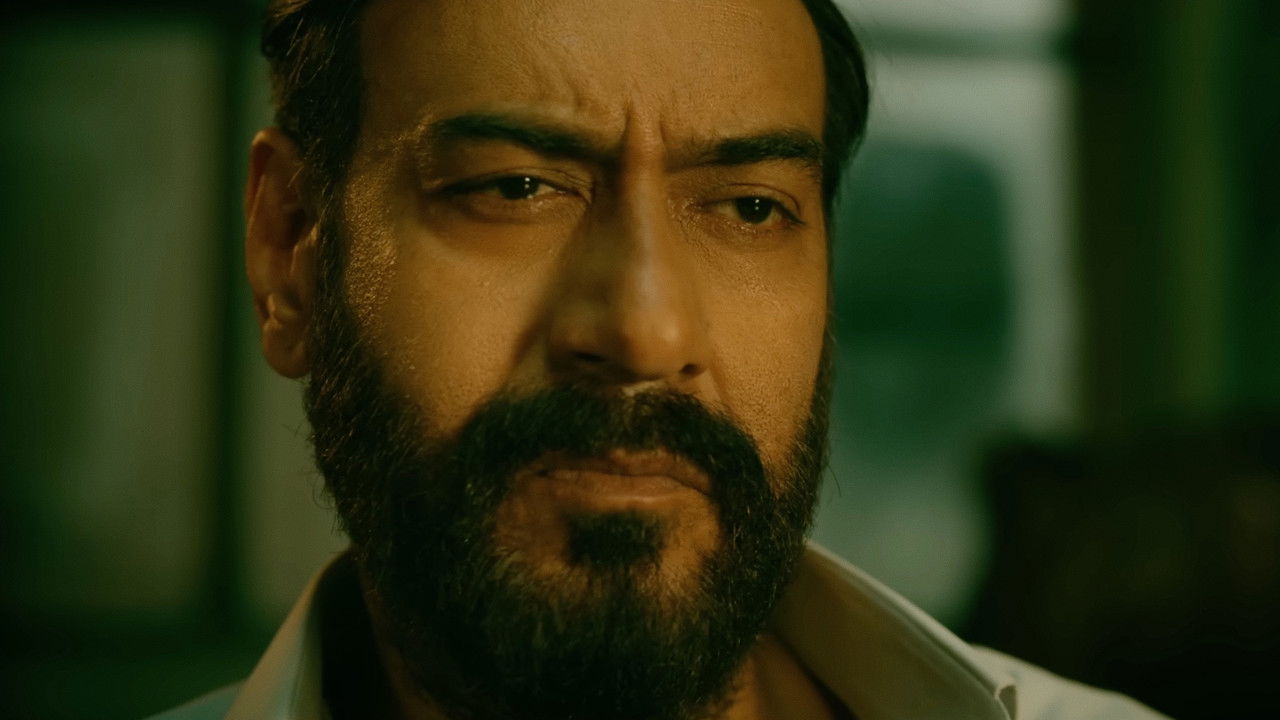
Deep Analysis & Key Themes
Protection has become authorship
Vijay began as a father reacting to danger. By the conclusion, he is no longer merely responding. He designs what other people will see, hear and infer. His love remains genuine, but it now expresses itself through authorship: he decides the version of reality everyone around him must inhabit.
Rajveer is Vijay’s mirror
Rajveer and Vijay both study behavior, construct timelines and exploit what people expect to find. The difference is institutional power. Rajveer believes procedure will make truth visible; Vijay believes every procedure contains a blind spot because people interpret evidence through stories.
Meera prevents an easy heroic reading
Without Meera, Vijay could look like a pure folk hero defeating an arrogant system. Her grief keeps Sameer present. She has abused authority and caused pain, but she is also a mother living with an unanswered death. The film’s tension survives because neither family’s love cancels the other family’s suffering.
The police station remains the perfect symbol
The burial site reverses the meaning of institutional space. A police station should be where hidden crimes become visible. Vijay turns it into the place that hides the most important fact. When the earth finally gives up evidence, even that evidence has been prepared to mislead.
Cinema is no longer just Vijay’s inspiration
Earlier films emphasized what Vijay learned from watching movies. The conclusion pushes the metaphor further. He understands framing, rehearsal, off-screen action and audience expectation. His greatest weapon is not a specific film trick; it is his knowledge that people believe a coherent story before they understand scattered facts.
What Most Viewers Missed
The mundane details are the real special effects
The dinner request matters more than a dramatic confession because Drishyam has always treated ordinary details as tools. Dates, meals and routine journeys become convincing precisely because they are too boring to look invented.
The ending is a victory for reasonable doubt, not proof of innocence
The court does not discover a complete alternative history. It concludes that the prosecution cannot prove its case to the required standard. That distinction is essential to the franchise’s moral tension.
Vijay wins by understanding the observer
He does not need to control every variable. He needs to know what Rajveer will monitor, what the prosecutor will argue and what the court will accept. His plans work because they are built backward from the observer’s expectations.
The family is safest when it is least spontaneous
Every natural emotion risks becoming evidence. The final plan therefore protects the Salgaonkars by demanding performance. Their legal safety is purchased with emotional confinement.
Mid/Post-Credits
No verified mid-credits or post-credits scene is required to understand the resolution. The courtroom judgment and its emotional aftermath complete the story. Any future franchise announcement should be treated separately from the ending shown here.
Final Thoughts
Drishyam: The Conclusion gives Vijay the outcome he has been constructing from the beginning: a version of events the law cannot overturn. But it also shows why his genius cannot truly restore the family. He can move bodies, manufacture timelines and direct conversations. He cannot make Anju forget, make Nandini stop fearing discovery or give Meera her son back.
RecapRush verdict: Vijay wins the case because he understands that evidence becomes power only after someone turns it into a story. The conclusion lands because it reveals the cost of that insight: he has saved his family by making their lives part of the story forever.
Join the conversation
What did you think of the ending? Share your interpretation. Spoilers may appear below.
This product uses the TMDB API but is not endorsed or certified by TMDB.
No comments yet. Start the conversation.