
RECAPRUSH MOVIE GUIDE
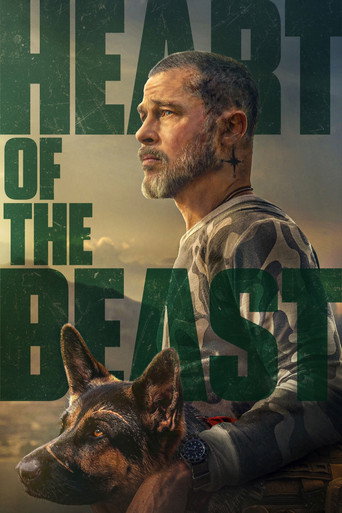
Heart of the Beast (2026)
Directed by David Ayer
After a harrowing plane crash, Special Forces officer James Belmont and his combat dog, Odin, find themselves stranded deep in the Alaskan wilderness. Together, they are forced into a brutal fight for survival against the elements.
Overview, poster, and credits from TMDB.
Read and watch our full movie recap ↓FROM THE RECAPRUSH LIBRARY · FULL MOVIE RECAP
Heart of the Beast (2026) Recap & Ending Explained: Why James Must Teach Odin to Leave Him
12 min read · Estimated reading time— views
A survival story can make endurance look heroic. Heart of the Beast asks a harder question: what if the final act of love is not staying together, but giving the one you love permission to survive without you?
> Spoiler warning: This article discusses the complete plot and ending of Heart of the Beast (2026), including the fates of James Belmont and Odin.
Intro + RecapRush Viewpoint
David Ayer’s Heart of the Beast strips the survival thriller down to a wounded veteran, his retired combat dog, and a wilderness that does not care how brave either of them has been. James Belmont and Odin have already survived war together. Their Alaskan trip is supposed to be a retreat from the noise in their heads, but a medical emergency and a plane crash turn it into a brutal journey back toward human life.
The film’s most affecting idea is that James and Odin are not master and pet in the usual movie sense. They are two veterans carrying related trauma in different bodies. Each reads the other’s fear, each compensates for the other’s injuries, and each has learned loyalty as a survival reflex. That bond saves them repeatedly—but the ending forces James to transform loyalty from “never leave” into “keep living.”
RecapRush viewpoint: The movie sometimes presses its emotions too firmly, yet its central reversal is powerful. James begins the journey believing survival means protecting Odin at all costs. He finally understands that protection also means preparing Odin for a future in which James is absent.
Featured Image

Table of Contents
Quick Facts
- Title: Heart of the Beast
- Release: September 25, 2026 (U.S. theatrical release)
- Director: David Ayer
- Writer: Cameron Alexander
- Distributor: Paramount Pictures
- Runtime: 101 minutes
- Genres: Adventure, Thriller
- TMDB movie ID: 1263337
- Principal credited cast: Brad Pitt, J.K. Simmons, Anna Lambe, Justin Melnick, Shaun DeZern, and canine performer Uber
- Setting: The Alaskan wilderness, with principal wilderness photography completed in New Zealand
Full Spoiler Recap
1. The film shows us Odin’s survival before explaining its cost
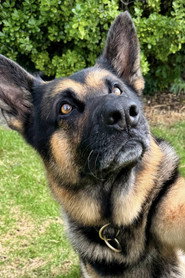
The story opens on a remote Alaskan road. Odin, a battered German Shepherd, stands alone until a young Indigenous woman stops her truck. The image answers one question immediately: the dog makes it out of the wilderness. It also plants the more painful mystery. If Odin has reached the road alone, where is James?
The film then moves back one week. James Belmont is a retired Army Special Forces veteran living at a deliberate distance from ordinary society. Odin served beside him in combat and bears physical and psychological scars of his own. He has lost a leg, has titanium replacement teeth, and experiences trauma dreams. James lives with a damaged heart and the same kind of intrusive memories. Their shared history makes them unusually attentive to each other, but it also keeps them enclosed in a two-being world.
2. A quiet trip reveals two veterans still at war inside themselves
James flies himself and Odin into the bush to camp and fish. The trip looks peaceful, but neither of them is truly relaxed. Brief wartime memories show why sudden sounds, physical confinement, and perceived threats can pull them backward. James calms Odin because he recognizes the pattern; Odin, in turn, gives James a reason to keep moving through his own isolation.
They briefly encounter Watkins, a solitary former gold miner. J.K. Simmons’s character brings human conversation into an otherwise spare story. Watkins recognizes James’s military bearing and offers companionship without demanding intimacy. The scene matters because James is not incapable of connection. He has simply reduced his life to the one relationship he trusts completely.
3. James’s body fails in the air
While piloting the small plane, James suffers a heart attack. He loses control and the aircraft crashes into icy wilderness. James and Odin survive the impact, but the crash destroys the easy route home. The pair are now many miles from help with limited supplies, worsening injuries, and no reliable rescue.
The emergency makes their partnership practical as well as emotional. James can reason, navigate, and improvise. Odin can sense danger, cover ground, and respond to commands even when James is physically compromised. Neither is whole, but together they function like the unit they once were.
4. The wilderness turns injury into a countdown
Their trek is not one clean test. It is an accumulation of damage. James’s heart remains unstable, and the terrain steadily takes away his physical options. A bear encounter forces caution rather than domination; the film does not let military experience make him invulnerable. Later, James and Odin attempt to cross a makeshift bridge formed by fallen trees above violent water.
James falls into the rapids and is battered against rocks. He emerges with a broken arm. In one of the film’s clearest expressions of mutual dependence, Odin helps James brace himself while James resets the limb. The sequence turns the familiar command relationship inside out: the animal is not merely following orders but actively enabling the human to continue.
5. Shared trauma becomes a language
As exhaustion grows, wartime memories connect James and Odin’s present fears to their past service. Their scars are different but linked. James understands Odin’s panic because he has seen its cause, and Odin responds to James’s weakening body with vigilance rather than confusion.
The film repeatedly places Odin between domestication and the wild. His stare toward a wolf suggests recognition, not simple kinship. Odin carries trained discipline and instinct at once. James faces a parallel conflict: civilization taught him codes of service and sacrifice, while survival demands something more primal. The “beast” is therefore not a single monster. It is the war still inside them, the wilderness around them, and the ferocity they must access to continue.
6. The wolves make James’s sacrifice irreversible
Near the end of the journey, a wolf pack attacks. Odin’s titanium teeth and combat training become survival tools, but the confrontation leaves James mortally wounded. He realizes the remaining distance may be survivable for Odin but not for him.
This is the emotional problem the movie has been building toward. Odin’s loyalty will keep him beside James, even if staying means dying. James must therefore do more than protect him from an immediate threat. He must break the behavior their entire partnership has reinforced.
James writes a note for whoever finds Odin. It explains enough for a stranger to understand that this is not an abandoned or dangerous animal but a veteran who needs care. James then pushes Odin toward the road and the possibility of another life. The separation hurts because it contradicts their deepest shared rule: never leave your partner behind.
7. Odin reaches the road, and the opening scene changes meaning
The story returns to its opening image. Odin reaches the road alone and is found by the young woman. The film has not been asking whether Odin survives; it has been asking what James must give up to make that survival possible.
James dies from his injuries. Odin lives, carrying James’s final act with him. The circular structure converts the first scene from reassurance into consequence. Odin’s presence on the road is proof that James succeeded—but also proof that their life together has ended.
Cast + TMDB
Cast and Characters
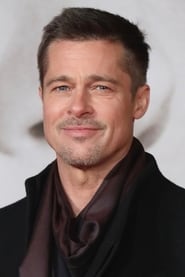


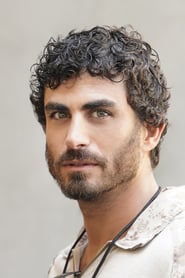
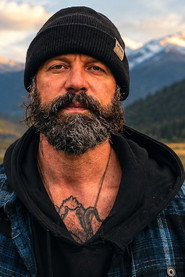
TMDB ID 1263337 supplies the credited cast and character data used by RecapRush. The gallery below is rendered from the site’s TMDB-backed cast records, including available portraits and actor-profile links.
More from RecapRush
 Resident Evil (2026) Recap & Ending Explained: Does Bryan Ever Get the Cure?
 Severance Season 2 Recap & Ending Explained: Why Mark Chooses Helly Over Gemma
 It Ends (2026) Recap & Ending Explained: Why James Turns Back When the Road Finally Stops
Ending Explained
Does Odin die?
No. Odin survives the crash, the trek, and the wolf attack. The opening road scene is a flash-forward that confirms his survival before the film returns to explain how he arrived there.
Does James die?
Yes. The wolves fatally wound James after his heart condition and the journey have already weakened him. He understands that Odin can still reach help but will refuse to leave voluntarily, so James prepares the note and sends him away.
Why does James force Odin to leave?
Because Odin’s loyalty has become dangerous. Remaining beside James would honor their bond emotionally but would probably kill Odin physically. James’s last responsibility as Odin’s handler and friend is to replace the command “stay with me” with “live beyond me.”
Who finds Odin?
Anna Lambe’s character, Amber, finds Odin on the road. Her arrival completes the future James tried to create: Odin moves from the closed partnership of two traumatized veterans toward the possibility of care, community, and a home.
What does James’s note mean?
The note is both practical identification and emotional testament. It asks an unknown person to see Odin as more than a stray. More importantly, it shows James imagining a future he will not occupy. That is a major change for a man who has withdrawn from almost everyone except his dog.
What does the title mean?
In RecapRush’s reading, “the beast” has three faces. It is the indifferent wilderness, the combat conditioning that keeps James and Odin alive, and the capacity for violence that war has planted in both. The “heart” is the loyalty that prevents those forces from reducing them to pure survival machines.
RecapRush Interpretation
James’s physical journey ends in death, but his emotional journey ends in an act of imagination. At the beginning, his future is almost empty: he has removed himself from society and built his remaining life around Odin. By the end, he can picture Odin being loved by someone else. That imaginative leap is the film’s real form of healing.
Odin’s survival is not a betrayal of James. It is obedience to James’s final, hardest command. The road therefore represents more than rescue. It is the boundary between a closed world built from shared trauma and an uncertain world where connection might begin again.
The movie’s military imagery can be read two ways. On the surface, it honors discipline, service, and sacrifice. Yet the story also shows the cost of training loyalty until it becomes self-erasure. James saves Odin by interrupting that logic. The heroic act is not dying together; it is refusing to make devotion into a death sentence.
Deep Analysis & Key Themes
Love as release rather than possession
Many animal-companion stories equate love with permanent proximity. Heart of the Beast complicates that formula. James proves his love by arranging separation. The ending works because it makes emotional faithfulness and physical togetherness different things.
PTSD shared across species
Odin’s nightmares stop the film from treating trauma as a purely verbal or human condition. James can name what happened; Odin cannot. Both still experience memory through the body. Their bond is powerful because neither demands that the other translate pain before receiving care.
The damaged body is not a failed body
James’s weak heart, Odin’s missing leg, and the injuries accumulated during the trek do not make them less heroic. Their competence lies in adaptation. Odin’s prosthesis and titanium teeth, and James’s knowledge and improvisation, turn scars into evidence of continued life rather than symbols of defeat.
Wilderness is not therapy by itself
James enters nature as if distance from people might quiet his mind. The wilderness offers beauty and moments of clarity, but it also strips away control. Healing does not come from scenery alone. It arrives only when James accepts dependence, mortality, and Odin’s right to a life beyond him.
The circular structure makes fate visible
By showing Odin on the road first, the film trades suspense about the dog’s death for dread about James’s absence. Every tender moment is shadowed by what the audience already knows: one member of this partnership will finish the journey alone.
What Most Viewers Missed
- Odin is framed as a co-protagonist, not a mascot. The film gives him trauma memories, decisions, physical limitations, and a survival arc independent of James.
- Watkins offers James an early version of the connection he later chooses for Odin. James keeps the encounter brief, but the old miner proves that strangers in the wilderness can offer recognition without ownership.
- The fallen-tree crossing visualizes their partnership. Balance is possible only while each responds to the other; when the crossing fails, Odin’s role shifts from follower to rescuer.
- The wolf gaze is not a simple “return to nature.” Odin does not become wild. He carries instinct, training, and attachment simultaneously—just as James remains soldier, survivor, and grieving man at once.
- The opening is a promise, not a spoiler error. Knowing Odin lives redirects attention toward the emotional mechanism of his survival: James must persuade him to choose life.
- James’s note expands the film’s social world. He begins as a man who trusts one being. He ends by trusting an unknown person with the being he loves most.
Mid/Post-Credits
No reliable official or established post-release source confirms a narrative mid-credits or post-credits scene. RecapRush therefore does not claim one. The emotional ending is the road rescue and the understanding that James’s final sacrifice allowed Odin to continue living.
Final Thoughts
Heart of the Beast is most effective when it lets breath, glances, and physical cooperation carry the relationship. Its dangers follow familiar survival-movie patterns, and the final movement is openly sentimental. Still, Brad Pitt and the canine performers make the bond feel lived rather than decorative.
The ending lands because James does not defeat the wilderness in the conventional sense. He cannot save himself. What he can do is prevent his death from becoming Odin’s. That modest, devastating victory turns a story about endurance into one about responsibility: love must want the beloved to have a tomorrow, even when that tomorrow belongs to someone else.
FAQ
Is *Heart of the Beast* based on a true story?
No reliable official source identifies it as a true story. Cameron Alexander wrote the screenplay as a fictional survival adventure.
Is Odin a real dog?
Yes. TMDB credits Uber as Odin, while production coverage reports that multiple trained dogs contributed to the role.
What happened to James before the crash?
James suffers a heart attack while flying. The medical emergency causes him to lose control of the plane and leaves him dangerously weakened for the journey.
Why does Odin have three legs?
The film presents Odin as a wounded combat veteran. His prosthetic leg and titanium teeth are physical reminders of the same wartime history that caused his PTSD.
How far must James and Odin travel?
Post-release reviews describe the route as roughly 50 to 58 miles through remote terrain.
Does Amber adopt Odin?
The film gives Amber the role of finding Odin and opening the possibility of a new home. The essential confirmed point is that Odin reaches human help and survives; RecapRush does not add an unverified extended future beyond what the ending shows.
Where was the movie filmed?
The wilderness photography used New Zealand locations as a stand-in for Alaska.
Who directed *Heart of the Beast*?
David Ayer directed the film from a screenplay by Cameron Alexander.
Join the conversation
What did you think of the ending? Share your interpretation. Spoilers may appear below.
This product uses the TMDB API but is not endorsed or certified by TMDB.
No comments yet. Start the conversation.