
RECAPRUSH MOVIE GUIDE
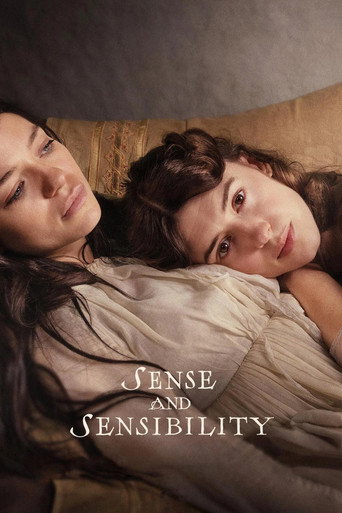
Sense and Sensibility (2026)
Directed by Georgia Oakley
After losing their family home, Elinor and Marianne Dashwood navigate love, financial insecurity and the different costs of restraint and passion.
Overview, poster, and credits from TMDB.
Read and watch our full recap ↓FROM THE RECAPRUSH LIBRARY · FULL RECAP
Sense and Sensibility (2026) Recap & Ending Explained: Why Elinor Runs and Marianne Slows Down
12 min read · Estimated reading time— views
Intro + RecapRush Viewpoint
Elinor Dashwood is practiced at containing a feeling before it inconveniences anybody else. Marianne wants a love large enough to make containment impossible. Georgia Oakley’s Sense and Sensibility (2026) puts those habits under pressure after a death removes the security both sisters took for granted.
The RecapRush viewpoint: the most rewarding way to read this adaptation is as an argument about emotional responsibility. Restraint can protect somebody, but it can also leave her isolated. Passion can reveal a truth, but intensity alone cannot tell you whether another person deserves your trust. The sisters need more choices than those two habits initially allow.
This guide covers the released 2026 film directed by Georgia Oakley, with a screenplay by Diana Reid. It does not treat the 1995 adaptation or the novel as a substitute record of what happens on screen. Full spoilers follow, including the changed engagement, duel, and final romantic resolutions. Factual recap and production information are sourced below; the interpretation is RecapRush’s own.
Featured Image
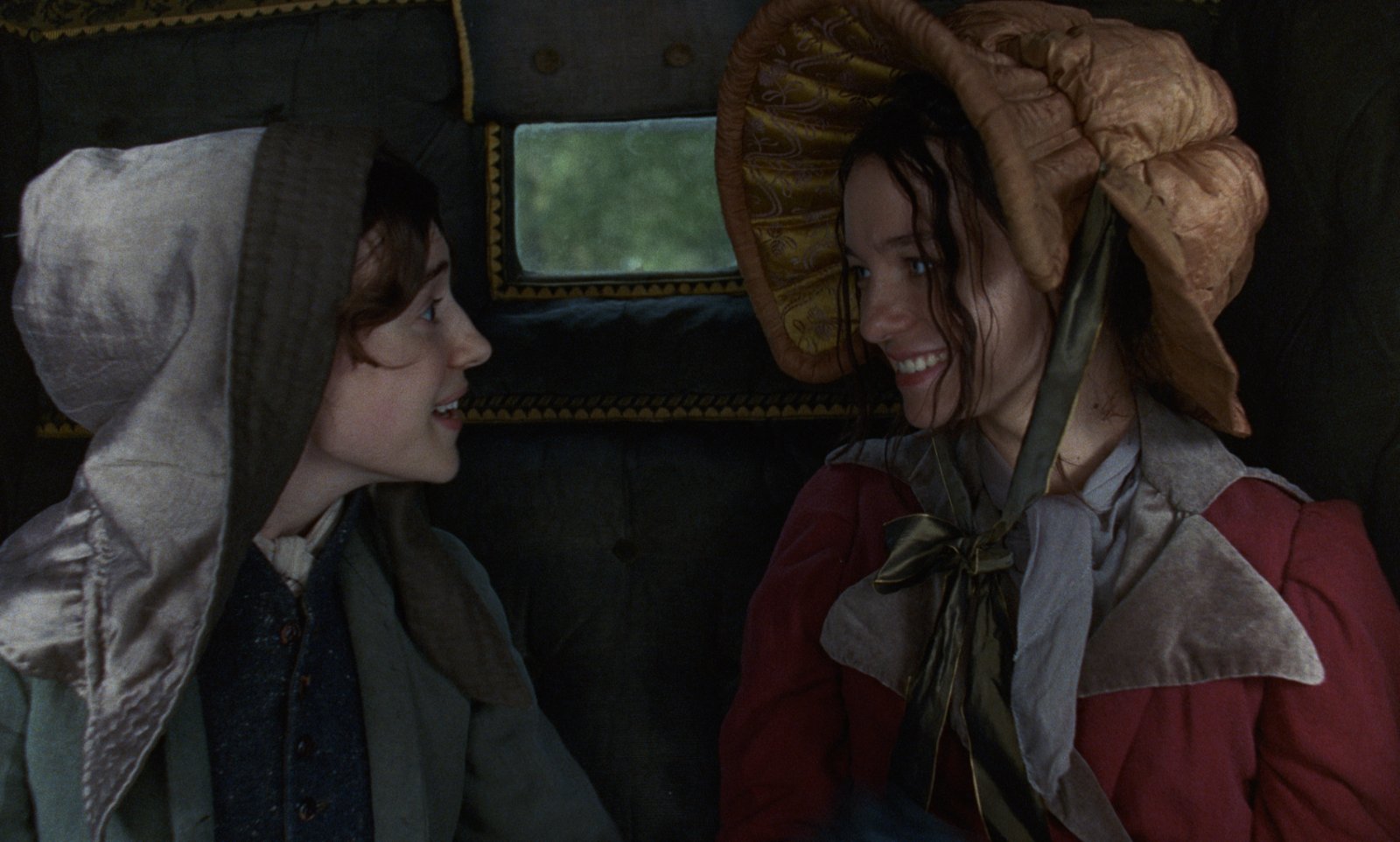
Table of Contents
Quick Facts
- Film: Sense and Sensibility (2026)
- Director / screenwriter: Georgia Oakley / Diana Reid
- Source: Jane Austen’s novel
- Genres: Drama, Romance
- Theatrical running time: approximately 132 minutes, as classified by the BBFC
- UK theatrical release: September 25, 2026
- US theatrical release: October 16, 2026, confirmed on the current Focus Features film page
- US distributor: Focus Features
- Weekly chart: #8, domestic October 23–25, 2026; this is a dated placement, not an all-time ranking
Release information checked October 29, 2026. An earlier Focus announcement listed a September US date; the current film page and released-film coverage supersede that announcement. 1, 2, 3, 4, 18
Full Spoiler Recap
1. The family loses a home before the romances can offer an escape
The Dashwood father dies, and the family property passes to John Dashwood. John and his wife Fanny take possession, leaving Mrs. Dashwood and her daughters Elinor, Marianne, and Margaret with greatly reduced circumstances. The women leave Norland for a modest cottage in Devon. 5, 6
Elinor has already formed an attachment to Edward Ferrars, Fanny’s brother. Their compatibility is real, but affection does not give either of them control over family expectations. Marianne is much less inclined to disguise what she wants. The contrast becomes the story’s central conversation: how much should a person reveal, and what does silence actually achieve? 5
2. Two attractions promise very different kinds of happiness
Marianne encounters John Willoughby after hurting her ankle on a beach. His assistance and charm make him seem like the answer to her appetite for romance. Colonel Brandon offers a quieter presence, which she initially struggles to recognize as passionate. Elinor’s connection with Edward develops under a different obstacle: the troubling gap between mutual feeling and an available future. Mrs. Jennings helps draw the sisters into a larger social world, including London. 5, 6
Our reading is that the film asks the viewer to experience attraction before evaluating it. Being swept away is understandable. The problem is what happens when that emotional certainty is asked to stand in for knowledge of somebody’s conduct.

3. Edward’s promise makes love a question of conduct
Lucy Steele’s engagement to Edward blocks Elinor’s hopes. This film gives the arrangement a particular history: Edward’s family originally approved the match, then wanted it abandoned after Lucy lost her wealth. Edward refuses to discard his commitment, despite the financial consequences for himself. It is not simply the youthful secret engagement familiar from the novel. 7
That difference complicates the romantic triangle. Edward’s refusal can be ethically serious and emotionally painful at the same time. Elinor cannot resolve the situation just by becoming more expressive, because her happiness would still involve another person’s promise. The question is not only whether Edward loves her; it is what either of them can honorably do with that knowledge.
4. Willoughby’s glamour cannot survive the fuller account
Marianne’s expectations collapse as Willoughby withdraws. In London he ignores her attempts to reach him, then appears at a ball with his wealthy fiancée, Miss Grey. Marianne has to acknowledge that the commitment she anticipated was never a formal engagement. 17
The adaptation also revises the Eliza backstory: the younger Eliza is omitted, and the account centers on Willoughby’s abandonment of the pregnant elder Eliza, who dies. The film therefore gives his conduct consequences beyond Marianne’s heartbreak. 8
Marianne becomes ill. During this later stretch, Willoughby visits and a confrontation leads to an on-screen duel with Brandon. The sisters witness it from a window. Brandon fires upward; Willoughby shoots toward him and misses. Neither man dies in this encounter. Brandon’s willingness to confront Willoughby changes Marianne’s understanding of him. 7, 9
The duel should not be mistaken for the complete answer to Brandon’s character. As interpretation, we find the quieter aftermath more important: a forceful public gesture can attract attention, but trust still requires the ability to speak and listen without turning another person into an audience.
5. The obstacle changes, and Elinor finally acts
Lucy ultimately chooses Edward’s brother Robert. Before that truth reaches her, Elinor hears that Lucy has married a Ferrars and assumes the husband is Edward. She consequently turns Edward away when he comes to her, mistaking his intentions. 9, 17
Mrs. Jennings brings Elinor the crucial news that Edward is free. Elinor goes after him, rather than remaining still and hoping he will arrive with an explanation. Their reunion includes a declaration and a kiss. 7, 10
Marianne and Brandon receive a less demonstrative resolution through a quiet conversation by the river. The theatrical film does not finish by showing the two couples’ weddings. Reid has explained that a later wedding-day coda was filmed but removed; it must not be described as part of the released ending. 11
Cast + TMDB
Cast and Characters










- Daisy Edgar-Jones — Elinor Dashwood: the older sister whose self-control makes her needs easy to overlook.
- Esmé Creed-Miles — Marianne Dashwood: the sister who openly demands emotional intensity.
- Caitríona Balfe — Mrs. Dashwood: the mother facing a drastically changed household.
- Bodhi Rae Breathnach — Margaret Dashwood: the younger sister within that shared family upheaval.
- George MacKay — Edward Ferrars: Elinor’s love interest, bound by an existing commitment.
- Frank Dillane — John Willoughby: Marianne’s charismatic and unreliable romantic prospect.
- Herbert Nordrum — Colonel Brandon: the man Marianne initially underestimates.
- Fiona Shaw — Mrs. Jennings: a socially energetic presence whose information matters to the resolution.
- Stacy Martin — Fanny Dashwood; Tom Brooke — John Dashwood: the couple who retain the family estate. 1, 5, 12
More from RecapRush
 Coyote vs. Acme (2026) Recap & Ending Explained: Why Wile E. Has to Lose
 Zip Wire (2026) Recap & Ending Explained: Why Amy Makes the Cure Impossible to Own
 Howl’s Moving Castle (2004) — Full Spoiler Recap & Ending Explained
The matching database entry is TMDB Movie 1503762. Its identity is cross-checked against the 2026 title, director, and cast in current TMDB-attributed catalogues; release dates above use the territorial distributors rather than assuming one worldwide opening day. 12, 13

Ending Explained
Why does Elinor run after Edward?
The practical answer is that the engagement no longer prevents their relationship. The emotional answer is that knowing when to hold back is different from never allowing yourself to move. Elinor’s final action makes her desire visible. She is not rewarded merely for waiting more patiently than everyone else.
RecapRush reads the chase as a choice to risk being understood. A person who makes herself indispensable by managing other people’s discomfort can become almost invisible inside that usefulness. Pursuing Edward interrupts that pattern. She takes responsibility for expressing a want, rather than expecting restraint to communicate it for her.
Does Marianne marry Brandon in the film?
No wedding is shown. Their concluding conversation opens a future together, but the film does not dramatize the later marriage. Reid’s account of the removed coda makes that distinction particularly clear. A scene being shot is not the same as a scene remaining in the finished work. 11
Our interpretation is that Marianne’s quieter ending gives her room to choose without performing certainty. Learning to appreciate steadiness need not mean surrendering everything vivid in herself. A relationship can begin with attentive conversation rather than an overwhelming demonstration. She can grow without accepting the idea that wanting deeply was itself her mistake.
Why finish with the sisters’ bond?
The Associated Press review describes the sisters’ embrace after the romantic payoff. That final emphasis prevents the men from becoming the sole measure of the women’s happiness. 5
For us, the embrace means that a new romance does not have to erase an existing source of intimacy. The sisters have misunderstood each other, but they have also survived the same disruption. Their relationship can carry knowledge that neither suitor possesses. The ending lets romantic love expand their lives without claiming to replace that history.

Deep Analysis & Key Themes
Financial security shapes the language of love
The inheritance crisis gives the courtships an unequal starting point. We read the sisters’ choices as negotiations inside that inequality. A romantic decision can carry practical consequences without becoming a purely cynical bargain. The difficult task is distinguishing the need for stability from the habit of treating a person as an asset.
This also keeps Edward’s story morally uncomfortable. Commitment matters, but a promise cannot make everybody happy simply because somebody keeps it. The film allows duty, desire, and money to pull in different directions. Its romance becomes more interesting when no single admirable quality can solve the whole situation.
Restraint and openness both have costs
The title invites viewers to assign each sister a fixed category. Our reading is that the narrative makes those categories inadequate. Elinor needs an outlet for feeling; Marianne needs a way to evaluate feeling without distrusting it altogether. Neither can remain healthy by turning a survival habit into her entire identity.
That is why the contrasting resolutions matter. The movement is reciprocal. One sister becomes more willing to act; the other discovers value in a slower pace. They do not exchange personalities. They acquire options, and options are a more convincing form of growth than a personality being declared correct.
The period setting contains ordinary work
Oakley’s official interview describes an emphasis on worn interiors, weather, and clothes that can be reused within the family. These details make the Dashwoods’ reduced circumstances tangible. 14
To us, that material world makes care visible. Sharing limited space or adapting an existing garment requires adjustment. Family love is partly the willingness to keep making those adjustments. The romantic plot may offer sweeping release, but the household shows the smaller work that makes a shared life possible.
What Most Viewers Missed
The removed coda is not a hidden ending. Reid’s description explains an editorial decision; it does not establish a bonus scene available after the credits. 11
Edward’s engagement has a different origin here. Importing its novel backstory makes the film’s financial and ethical conflict less precise. 7
The duel does not kill either participant. Its dramatic function is confrontation and changed perception, not a fatal elimination of a romantic rival. 7
Margaret belongs in the family picture. The household contains three daughters, even when the two older sisters’ courtships occupy the foreground. Reading the family only as two competing romantic styles misses somebody living through the same loss. 1, 5
Mid/Post-Credits
No mid-credits or post-credits scene is reported for the released film. The wedding coda Reid discusses was removed, not relocated after the credits. 11, 15
Final Thoughts
Sense and Sensibility’s most useful question is not which sister understands love correctly at the beginning. It is whether either can let experience change her without allowing disappointment to shrink her. We find the ending hopeful because it treats expression and patience as abilities people can develop, rather than destinies assigned at birth.
Elinor gets to move toward what she wants. Marianne gets time to recognize a different kind of possibility. Their sisterhood remains a place to return to while those possibilities take shape. That combination gives the romantic resolution a life beyond pairing everyone off.
Join the conversation
What did you think of the ending? Share your interpretation. Spoilers may appear below.
This product uses the TMDB API but is not endorsed or certified by TMDB.
No comments yet. Start the conversation.