RECAPRUSH MOVIE GUIDE
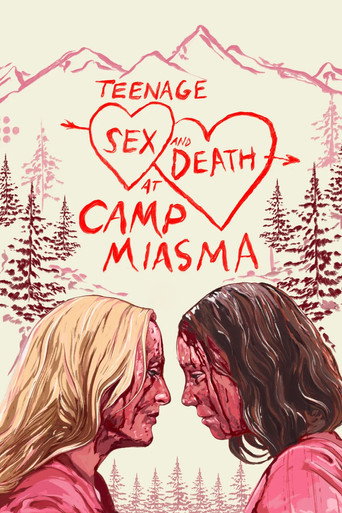
Teenage Sex and Death at Camp Miasma (2026)
Directed by Jane Schoenbrun
An ambitious director sets out to revive a faded slasher franchise, but her meeting with the film’s reclusive original star spirals into a terrifying maze of obsession, fear, and blood-soaked delusion.
Overview, poster, and credits from TMDB.
Read and watch our full recap ↓FROM THE RECAPRUSH LIBRARY · FULL RECAP
Teenage Sex and Death at Camp Miasma (2026) Movie Recap & Ending Explained
19 min read · Estimated reading time— views
Jane Schoenbrun's Teenage Sex and Death at Camp Miasma starts as a movie about reviving a dead horror franchise and slowly becomes something stranger: a story about what happens when a fan stops analyzing the thing she loves and finally allows herself to enter it.
Kris Williams is a young queer filmmaker hired to resurrect Camp Miasma, a fictional 1980s slasher franchise built around the masked killer Little Death. The job should be a career breakthrough. Instead, Kris becomes obsessed with Billy Presley, the reclusive actress who played the original final girl and then vanished from the industry.
Billy now lives alone at Camp Tivoli, the abandoned location where the first movie was shot. Kris arrives hoping to cast her. What she finds is someone who understands the franchise far more intimately than any critic, producer, or fan ever could.
From RecapRush's viewpoint, the smartest thing the film does is refuse to separate horror fandom from desire. Kris spends years trying to explain why one particular image from the original Camp Miasma affects her so deeply. Billy eventually forces her to stop explaining and experience it instead. By the end, Little Death is no longer just the villain inside an old slasher movie. The killer becomes a language for fear, fantasy, shame, surrender, and transformation.
Spoiler warning: This article discusses the full plot and ending. The ending analysis is RecapRush’s interpretation of the film’s deliberately subjective imagery.
Featured Image
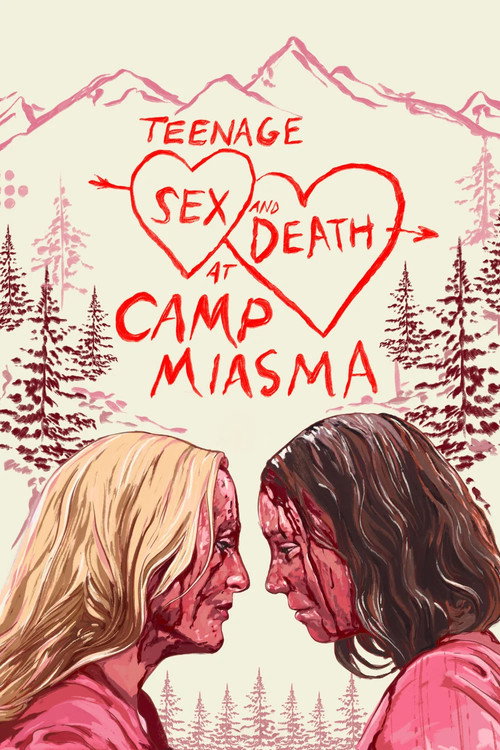
Table of Contents
Quick Facts
- Director and writer: Jane Schoenbrun
- Year: 2026
- Runtime: 112 minutes
- Genres: Horror, Comedy, Romance
- TMDB movie ID: 1240889
Full Spoiler Recap
Camp Miasma Becomes a Franchise Before Kris Is Even Born
The movie begins by presenting the fictional history of the Camp Miasma franchise almost like a real piece of horror culture.
The original film was a low-budget summer-camp slasher built around Little Death, a masked killer whose image becomes instantly recognizable. The killer's costume is deliberately strange: a heavy diving-style outfit and a square, vent-like mask that turns the act of looking into part of the design. The original movie becomes a cult success. Sequels follow.
Then more sequels. Merchandise, home-video releases, changing fan cultures, internet criticism, and shifting ideas about representation gradually transform the franchise. What once looked like uncomplicated trash becomes something people argue about academically. The franchise's most controversial element is Little Death's gender history. Inside the fictional mythology, Little Death had been a gender-nonconforming camper who was abused and killed by other children before returning as a supernatural murderer. Newer audiences increasingly see that origin as transphobic. Studios see a problem. They also see intellectual property that can still make money.
Kris Is Hired to Reboot the Franchise
Kris Williams is a young filmmaker whose independent work has attracted attention. Her breakthrough movie was intellectual, formally playful, and self-conscious — exactly the kind of work that makes studio executives believe she can modernize an embarrassing old horror property.
Kris understands what they want from her. They want a reboot that can make Camp Miasma culturally acceptable again without losing the recognizable killer, iconography, and commercial value. For Kris, however, the project is personal. She has been obsessed with Camp Miasma since childhood. She knows the movies. She knows the mythology. She knows which sequels failed and which images survived. Most importantly, she cannot stop thinking about Billy Presley.
Billy Presley Was the Original Final Girl
Billy starred in the first Camp Miasma. She played the final girl who survives most of the massacre and becomes forever associated with the franchise's most famous image. Young Billy is shown in the original film during an intimate encounter while Little Death approaches. The sequence captures something Kris has never been able to explain. Billy's face contains fear and desire at the same time. Her eyes seem fixed on the killer, yet she also seems to be experiencing herself from outside her own body.
Kris has watched the scene repeatedly since childhood. For her, the moment is frightening, erotic, embarrassing, and artistically irresistible. Billy never returned for the endless sequels. She left acting entirely. Over time, her disappearance turned her into another piece of franchise mythology.
Kris Decides the Reboot Needs Billy
The studio does not require Billy. Kris does. She believes the reboot cannot work without understanding what happened in the first movie. That means understanding Billy.
Kris's partner Mari is skeptical about the entire idea and jokes about what kind of reclusive former actress Kris may find. But Kris travels to Camp Tivoli anyway. The original shooting location still exists. And Billy lives there.
Billy Is Nothing Like Kris Expected
Billy is not a tragic ghost of old Hollywood. She is funny, intelligent, eccentric, sexually confident, and perfectly aware of the mythology surrounding her. She understands why Kris came. She also understands that Kris does not yet know why she came.
Billy has turned Camp Tivoli into a private world. She paints. She keeps a print of the original movie. She lives among the physical remains of a fictional horror story that changed her real life. The abandoned camp feels simultaneously like a home, a movie set, and a memory that never stopped being staged.
Fried Chicken, Candy, Weed, and Horror Movies
Kris's first evening with Billy becomes an extended conversation built around food, intoxication, and cinema. They eat fried chicken and brightly packaged junk food. They smoke. They talk about movies. Kris approaches Camp Miasma like a critic. She wants to identify themes. She wants to explain problematic imagery. She wants to understand what the film means culturally.
Billy is less interested in turning the experience into an argument. For her, the movie was physical. It involved performance, fear, desire, a camera, and a moment she has spent decades remembering. Billy begins pushing Kris to talk less like a director making a pitch and more like a person admitting what she wants.
They Watch the Original Camp Miasma Together
Billy screens her own 35mm print of the first film. The movie-within-the-movie is played with enough detail to feel like something that could genuinely have existed in the 1980s. Little Death emerges as the supernatural killer. Campers are stalked and killed. The violence is lurid and deliberately excessive.
Kris keeps returning to Billy's original performance. Billy watches Kris watching Billy. That layered act of spectatorship becomes the movie's central mechanism. Kris thinks she is studying a performance. Billy realizes Kris is studying herself through that performance.
Little Death's Origin Story Becomes the Problem
Kris explains why modern audiences see the franchise's mythology as troubling. Little Death's gender history is treated by the original movie as part of the killer's strangeness. Kris wants the reboot to reject that framing. She wants to reinterpret Little Death rather than simply reproduce the old trope.
Billy does not dismiss the criticism, but she is less interested in making the franchise morally tidy. The tension between them becomes generational. Kris wants to fix the text. Billy wants her to understand what the text did to people.
Billy's Paintings Reveal She Never Really Left the Movie
Billy shows Kris her art. The paintings repeatedly return to shapes associated with Little Death's mask and gaze. Billy may have left acting after the original film, but she did not leave the image behind. She has spent decades transforming it privately. The franchise turned her into a final girl. Her paintings suggest she has spent the rest of her life trying to decide what that role actually meant.
Kris begins to understand that Billy's withdrawal was not simply rejection. It was another form of engagement.
Kris Admits Why the Film Matters to Her
As the conversations become more personal, Kris begins talking about her own relationship to sex and desire. She is embarrassed by the gap between her political language and her private fantasy. She has spent years wanting to understand herself correctly. That need for correctness has become another form of distance.
The original Camp Miasma gave her access to feelings she could not comfortably admit anywhere else. The moment of Billy being watched by Little Death became a private image through which Kris could experience fear, desire, vulnerability, and control without having to name them directly.
Billy recognizes the pattern almost immediately. Kris does not merely want to cast Billy. She wants Billy to show her how to stop watching from outside herself.
Mari Represents the Life Kris Already Has
Kris remains connected to Mari during the visit. Their relationship reminds us that Kris did not arrive at Camp Tivoli as someone with no life, no intimacy, or no attachments. The crisis is not that she has never experienced desire. The crisis is that she keeps filtering experience through thought.
Billy represents the dangerous opposite. She offers Kris a way of becoming less self-conscious. That possibility begins to matter more than the professional reason for the trip.
Kris Must Pitch the Reboot to the Studio
Eventually, the studio executives demand an update. Kris joins a video call and presents the version of Camp Miasma she now wants to make. It is not the safe reboot they expected. Kris wants to move Little Death toward the center. Instead of treating the killer as a problematic relic who needs to be corrected around the edges, she wants the movie to enter the killer's perspective.
The executives are horrified. From their point of view, Kris has lost the assignment. From Kris's point of view, the first honest version of the project has finally appeared. The call effectively breaks her connection to the studio's version of the reboot. It also frees her from needing their approval.
Billy Asks Kris What She Actually Wants
After the call, the professional excuse for Kris's visit is almost gone. She is no longer simply a director interviewing a possible cast member. Billy is no longer simply an actress deciding whether to join a movie.
Their relationship has become personal, creative, and intimate. Billy continues pressing Kris to stop analyzing every feeling as though she were writing an essay about herself. The distinction between movie-making and roleplay begins to collapse. Lines from the fictional franchise become private language. Horror iconography becomes something they can use rather than something that uses them.
The Movie Begins Sliding Into Camp Miasma Logic
The second half becomes increasingly difficult to divide into objective reality and fantasy. Camp Tivoli starts behaving less like an abandoned filming location and more like the fictional camp itself. Little Death's presence becomes possible. Characters associated with the franchise and its imagined world begin occupying the same reality as Kris and Billy.
The movie deliberately stops asking the audience to decide whether every event is literally happening. That uncertainty is part of the point. Kris is finally entering the kind of experience she spent the first half trying to observe from a safe distance.
Kris Becomes the Final Girl She Always Watched
Kris moves through the woods while the visual language of the movie becomes increasingly slasher-like. Little Death is no longer safely contained inside an old film print. The killer appears to exist in the same world as Kris. The camera repeatedly shifts perspective. Sometimes Kris is watched. Sometimes viewers seem to watch through Little Death. The boundary between subject and spectator collapses. Kris is forced into the position she has obsessed over since childhood. She is not analyzing the final girl anymore. She is becoming one.
Billy Waits in Bunk 5
Kris eventually reaches Bunk 5. Billy is waiting. The cabin has been prepared like an intimate ritual rather than a defensive hideout. Candles, music, and deliberate staging turn the space into something halfway between a slasher climax and a private fantasy. Kris remains frightened. She knows Little Death is coming. Billy asks her to stop fighting the experience. More importantly, Billy encourages Kris to see herself through the killer's gaze. That instruction unlocks the image Kris has been chasing throughout the movie. In the original film, Kris could never understand the look on young Billy's face. Now she is placed inside the same structure.
More from RecapRush
 The Drop: A Snowfall Saga (2026): How Wanda Turns Survival Into a West Coast Rap Dream
 PAW Patrol: The Dino Movie (2026) Recap & Ending Explained: How Marshall Saves Dino Island
 Wicker (2026) Recap & Ending Explained: Why Saving the Baby Matters More Than Exposing the Lie
Little Death Enters the Cabin
The film shifts toward Little Death's perspective. The killer approaches Bunk 5. Kris sees herself as someone being watched. For most of her life, that feeling produced shame and distance. Here, it becomes part of the experience Billy is guiding her through. Little Death enters. Kris and Billy are attacked together. The moment is staged as both a slasher death and an emotional release. The film intentionally refuses to cleanly separate fear from desire. Blood fills the frame. Kris and Billy appear to die.
A New Tape Emerges From the Lake
After the apparent deaths, the Camp Miasma mythology responds. A new videotape appears from the lake. The implication is that what happened to Kris and Billy has already become another story inside the franchise. They have not simply watched Camp Miasma. They have entered its archive. The franchise absorbs them.
Kris and Billy Wake Up Alive
The next morning, Billy wakes. Kris is alive too. Both women are covered in the visual evidence of the night before, but neither behaves like a conventional slasher survivor. They are not desperately trying to understand why the killer failed. They appear calmer. Whatever happened in Bunk 5 functioned less like permanent death and more like transformation. The name Little Death finally becomes explicit in meaning. The killer represents a kind of temporary self-annihilation — the destruction of an old identity rather than the end of the body.
The Gas Station Brings Them Back to Ordinary Life
Kris and Billy leave the camp together. Still looking as though they walked out of a horror movie, they stop at a convenience store. They buy candy. Ordinary people see them. Some react awkwardly. The cashier, Flo, responds with casual friendliness. The scene matters because Kris no longer collapses under the possibility of being seen as strange. She is visibly outside the norm. She is also comfortable. The self-consciousness that controlled the beginning of the film has loosened.
Little Death Is Still in the Lake
Outside the gas station, Kris thinks again about Little Death. The killer has not been defeated. The lake still exists. The hunger still exists. In a traditional slasher, this would be a final warning that the monster will return. Kris now hears the idea differently. Instead of reacting with terror, she smiles. Billy smiles too. The thing Kris spent years fearing inside herself has not disappeared. She simply no longer needs it to disappear.
Cast and Characters
Cast and Characters






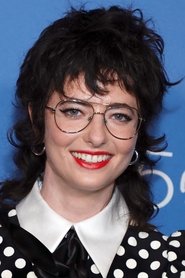



Hannah Einbinder plays Kris, the filmmaker; Gillian Anderson plays Billy, the former final girl. Amanda Fix portrays young Billy, Jack Haven plays Little Death, and Jasmin Savoy Brown plays Mari. Full cast details are listed below using TMDB metadata.
Ending Explained
Do Kris and Billy Really Die?
The film shows both women alive the following morning. Their apparent deaths are best read as part of the climax’s subjective imagery, rather than proof of literal murder and resurrection. Little Death appears to kill both women inside Bunk 5, but they wake up alive the next morning. The sequence is designed as a "little death" rather than a conventional slasher death. Their old ways of relating to fear and desire are what disappear.
Why Are Kris and Billy Alive the Next Morning?
The film is operating in deliberately metaphorical reality by this point. Billy has guided Kris into an experience where horror imagery becomes a language for surrender rather than literal destruction. Their survival supports a reading of the cabin sequence as fantasy and roleplay rather than physical murder. It is also psychological transformation.
What Does Little Death's Name Mean?
"Little Death" refers to the French phrase la petite mort, commonly associated with a brief loss of self during orgasm. That meaning is built into the film's ending. Little Death does not simply represent murder. The killer represents the frightening moment when control, identity, fear, and desire collapse together.
Is Little Death Real?
The movie never gives a single objective answer. Little Death may literally exist within the film's supernatural world. The killer may also represent Kris's fantasy, Billy's memory, the franchise's mythology, or the psychological power movies can acquire over viewers. The ending works because all of those interpretations can coexist.
What Is the New VHS Tape?
After Kris and Billy's apparent deaths, another tape emerges from the lake. The image suggests their experience has become a new entry in the Camp Miasma archive. Kris came to revive the franchise. Instead, she becomes part of it.
Why Does Kris Smile When She Says Little Death Is Still Down There?
At the beginning of the film, Kris wants to solve the feeling Little Death creates in her. By the end, she accepts that some desires do not need to be fully explained or eliminated. Her smile shows that the killer's continued existence no longer feels like a threat she must defeat.
What Happens to Kris's Reboot?
The studio rejects the direction Kris presents during the video call. However, the ending — and especially the post-credits scene — suggests that some version of Kris's Camp Miasma project may still come into existence. The point is that she can no longer make the safe corporate reboot she was originally hired to deliver.
Are Kris and Billy Together at the End?
Emotionally, yes. The final gas-station sequence presents them as companions who have crossed through the same transformative experience. The film leaves the exact future of the relationship open, but they leave Camp Tivoli together and share the final moment of recognition.
Is the Ending Happy?
Yes, in the film's strange language. Little Death remains. The franchise remains. Fear remains. But Kris and Billy are alive, together, and less ashamed of themselves. The movie defines happiness not as eliminating frightening desires, but as no longer needing to hide from them.
RecapRush Interpretation
Teenage Sex and Death at Camp Miasma is ultimately about the difference between studying yourself and living as yourself.
Kris begins the film with excellent language for everything. She can explain gender representation. She can explain horror history. She can explain why a franchise is problematic. She can explain filmmaking.
What she cannot explain is why Billy's face in one old slasher scene has followed her for most of her life.
Billy's role is not to give Kris the correct interpretation. It is to make interpretation temporarily unnecessary.
RecapRush reads the Bunk 5 sequence as the point where Kris stops treating desire like a text she needs to defend and allows it to become experience. That is why Little Death does not need to be defeated. The killer is terrifying only while Kris believes every part of herself has to be controlled, explained, and made respectable.
Deep Analysis
The Reboot Is Really Kris Trying to Reboot Herself
Kris believes she has been hired to repair an old franchise. But the deeper story is about repairing her relationship with the part of herself the franchise awakened years earlier. She cannot make the movie honestly until she understands why she needed it in the first place.
Billy Is Both Final Girl and Director
Billy was once the person being watched. Decades later, she understands the mechanics of the gaze better than Kris does. In Bunk 5, Billy effectively directs Kris through the experience. The actress becomes the filmmaker. The filmmaker becomes the performer. The hierarchy flips.
Little Death's Mask Is About Looking
The vent-like opening on Little Death's face makes vision part of the killer's design. Kris's obsession is not only with being attacked. It is with seeing herself being seen. The mask therefore turns spectatorship into something physical.
The Original Franchise Is Both Harmful and Liberating
Kris is correct that the old Camp Miasma contains troubling ideas about gender. The film does not ask her to pretend otherwise. But it also refuses the idea that problematic art can only harm. For Kris, the same material helped create a private language for identity and desire. Both truths exist at once.
Billy's Isolation Is Not Simple Trauma
Billy lives alone at the old shooting location, which initially looks like evidence she never escaped the past. But Camp Tivoli is also a space she has remade for herself. She paints there. She watches the film on her own terms. Her isolation contains damage, but also control.
The Film Turns Slasher Logic Into Roleplay
The second half uses the language of a horror movie while increasingly behaving like consensual fantasy. Lines from movies become instructions. The killer becomes a role. The final-girl position becomes something Kris chooses to enter. This transformation is why the climax can look violent while functioning emotionally as release.
The Gas Station Is More Important Than the Cabin
The cabin gives Kris the breakthrough. The gas station proves it lasts outside the fantasy. Kris can return to ordinary social space looking strange, carrying the aftermath visibly, and still remain comfortable in herself. That is the real ending.
What Most Viewers Missed
The Movie Opens by Teaching Us to Treat Fiction Like History
The detailed franchise montage makes Camp Miasma feel culturally real. That matters because Kris's emotions depend on fictional images having real-life consequences. The movie wants us to stop treating "made up" as the same thing as "unimportant."
Billy's Face Is the Real Mystery
Kris spends the movie talking about plots, representation, and reboot strategy. But the image that actually drives her is much smaller: Billy's expression in the original film. Everything else grows from Kris trying to understand that one look.
Kris's Studio Pitch Is Her First Honest Failure
Professionally, the video call is a disaster. Creatively, it is progress. Kris finally pitches the movie she wants rather than the movie executives hired her to make. Losing approval becomes a form of freedom.
The New VHS Tape Means the Franchise Has Absorbed Reality
The tape suggests Kris and Billy's experience is already becoming another installment. The boundary between fan, filmmaker, character, and viewer has disappeared. Kris wanted to control the franchise. The franchise turns her into material.
Flo's Reaction Matters
The cashier does not react to Kris and Billy as monsters. That casual acceptance gives the movie one of its gentlest ideas: being visibly strange does not always have to end in punishment.
Little Death Never Needs to Be Unmasked
The film is not interested in a conventional slasher reveal. The killer works precisely because Little Death can be several things at once: monster, memory, fantasy, gaze, franchise icon, and desire.
Mid/Post-Credits
The supplied recap describes a post-credits scene. Its exact placement has not been independently confirmed for every release version.
Back at the general-store / gas-station setting, Rudolph and Anthony appear again. The joke shifts the film back toward franchise economics: the actors talk about returning to Camp Miasma and the possibility that Kris's version could generate another wave of sequels.
The scene works as both an industry joke and a final hint that Kris may ultimately create her own version of the franchise after all.
Final Thoughts
Teenage Sex and Death at Camp Miasma begins with a filmmaker trying to make a horror franchise safer to explain. It ends with her realizing explanation was never the only reason horror mattered to her.
Kris loves Camp Miasma because it gave form to feelings she did not yet understand. That does not make the old franchise politically innocent. It makes the relationship complicated.
Billy understands that complication because she has spent decades living inside one unforgettable image from the original film. The two women therefore meet from opposite directions. Kris is the fan trying to become the director. Billy is the performer who has spent years becoming her own interpreter.
By Bunk 5, those roles collapse. Kris becomes the watched. Billy becomes the guide. Little Death becomes something other than a villain. And the franchise becomes less important as intellectual property than as a private language two people finally understand together.
That is why the final smile matters. Little Death is still down there. Nothing has been neatly solved. Kris is simply no longer afraid that every unresolved part of herself is a problem.
Join the conversation
What did you think of the ending? Share your interpretation. Spoilers may appear below.
This product uses the TMDB API but is not endorsed or certified by TMDB.
No comments yet. Start the conversation.