
RECAPRUSH TV GUIDE
The Drop: A Snowfall Saga (2026)
In 1990s Los Angeles, Wanda and Leon fight to take West Coast rap mainstream while gang wars erupt and record labels move to exploit hip hop culture for their own gain.
Overview, poster, and credits from TMDB.
Read and watch our full recap ↓FROM THE RECAPRUSH LIBRARY · FULL RECAP
The Drop: A Snowfall Saga (2026): How Wanda Turns Survival Into a West Coast Rap Dream
10 min read · Estimated reading time— views
Intro + RecapRush Viewpoint
The crack era left damage everywhere, but it also left people searching for a new language—something loud enough to name what happened and ambitious enough to imagine what could come next. The Drop: A Snowfall Saga moves the world of Snowfall into early-1990s Los Angeles, where Wanda Bell sees West Coast rap not merely as entertainment but as a route toward reinvention.
RecapRush’s viewpoint is that Wanda’s dream matters because it is never cleanly separated from the world she is trying to escape. Music can create identity, work, and community; it can also attract labels, street power, and people who see culture as something to own. This guide covers the four episodes released through September 29, 2026, and the verified setup for the rest of the eight-episode season. It does not invent the unaired finale.
Featured Image
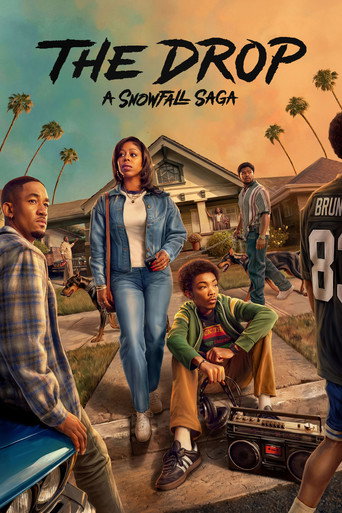
!The Drop: A Snowfall Saga official key art featuring the principal characters
Table of Contents
Quick Facts
- Title: The Drop: A Snowfall Saga
- Year: 2026
- Type: Ongoing television series
- TMDB ID: TV 304842
- Creator and showrunner: Malcolm Spellman
- Network and U.S. streaming: FX and Hulu
- Premiere date: September 8, 2026
- Season length: Eight episodes
- Episodes released as of this guide: Four
- Scheduled season finale: October 27, 2026
- RecapRush category: Music
- TMDB genre: Drama
- Hulu categories: Drama, Crime, Music
The series follows Snowfall characters Wanda Bell and Leon Simmons after the original show’s conclusion. FX and Disney describe the new conflict as the rise of West Coast rap from the fallout of Los Angeles’s crack epidemic.
Season-So-Far Recap
Spoiler warning: The following section discusses the publicly released setup and the official descriptions of Episodes 1–4. It does not claim events from unaired Episodes 5–8.
1. “Click Pop”: Wanda bets on a sound
In 1990 Los Angeles, Wanda Bell is rebuilding after addiction and the collapse of the life she once knew. The series gives her a steady job at a used-car lot, but her attention is already somewhere else. She listens through stacks of demo cassettes, searching for a voice with the power to break through. One tape—“Officer Blackman”—makes her stop.
Wanda’s interest in the city’s emerging rap scene is not a casual hobby. She believes the music can reshape American culture, and she wants to help carry it beyond the neighborhood. Her plan depends on two volatile talents: her cousin Lamar Kinsey and the rising local rapper Artillery. The official episode description makes the size of her gamble clear: Wanda stakes her future on them.
Leon Simmons sees the threat beneath the opportunity. He has vowed to leave the streets behind and now seeks atonement through a free legal clinic. He warns Wanda about the danger of the music business, but his concern is complicated by their shared past and by the reality that the new industry is being financed and contested by people connected to the old street economy.
The premiere therefore establishes two different theories of rebuilding. Leon believes repair requires distance from the street. Wanda believes transformation can happen by converting the neighborhood’s energy into art and ownership. Neither path exists outside the consequences of Snowfall.
2. “Street Matrix”: opportunity meets territorial power
Wanda’s new job creates access, but it does not grant control. Her internship with Darryl “DG” Grant—an ex-dealer who now owns a hip-hop label—places her near the machinery that can turn a local record into a business. It also exposes the hierarchy of an industry ready to benefit from the culture Wanda understands.
The official synopsis says street violence threatens to unravel her music dream. That pressure matters because the music scene is not developing on neutral ground. Gang territories controlled by Bloods and Crips overlap with performers, promoters, families, and potential audiences. A record can become both an artistic statement and a claim to space.
Leon is forced to help settle a street conflict. His legal clinic may represent a new vocation, but the people around him still recognize his history and expect him to intervene. The episode’s tension comes from that contradiction: changing jobs is easier than changing the social role a neighborhood has assigned to you.
3. “Family Matters”: a song becomes larger than the plan
Wanda’s ambition collides with loyalty to her family. Lamar’s music grows beyond what the label intended, creating the kind of momentum every aspiring team wants but cannot fully control. Success is no longer a private fantasy; it begins to rearrange relationships.
The title “Family Matters” points to the series’ most important pressure system. Wanda needs her cousins’ creativity, but family is not the same as a business partnership. Affection, old resentments, parental expectations, money, and ownership all enter the room before a contract is signed. The record’s growth therefore tests whether the group can remain a family while becoming an enterprise.
James and Leon are also forced to rethink their futures. Their choices sit beside Lamar’s rising song, reminding viewers that the music’s promise does not lift everyone in the same way. A cultural moment can open doors while making existing divisions more visible.
4. “The Big Push”: independence becomes a gamble
Complications with the label push the music family toward a risky decision about their new record. The official episode description calls it a gamble, which captures the central business dilemma: accepting institutional support may mean surrendering leverage, but rejecting it can mean assuming costs and dangers the group is not ready to carry.
James tries to reach Big Daddy and Gerty, and the effort opens deep family wounds. The personal and commercial stories are not separate threads. The ability to move forward with the record depends partly on whether the Kinseys can live with what the project reveals about them.
By the end of the fourth released episode, the season has not completed Wanda’s rise or delivered a final judgment on her strategy. Instead, it has tightened the connection between sound, family, and power. The dream is real, as FX’s campaign says, and so are the consequences.
Cast + TMDB
Cast and Characters






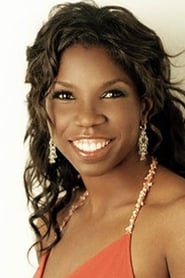



The TMDB-backed cast gallery below the article header uses TV ID 304842 to display verified credits, available portraits, and links to RecapRush actor profiles. It includes Gail Bean as Wanda Bell, Isaiah John as Leon Simmons, Asante Blackk as Lamar Kinsey, Peyton Alex Smith as James Kinsey, Simmie Sims III as Artillery, Mykelti Williamson as Big Daddy Kinsey, Nicki Micheaux as Gerty Kinsey, and Brandon Mychal Smith as DG Grant.
More from RecapRush
 You Can See Everything (2026) Recap & Ending Explained: Holmes, Seyfried and the Final Ocean Scene
 Practical Magic 2 (2026) Recap & Ending Explained: Why Franny Has to Die
 Roman Holiday (1953) Recap & Ending Explained: Why Joe Gives Up the Story, Not Just the Princess
TMDB title and credits: https://www.themoviedb.org/tv/304842
Ending Explained: Current Status
There is no verified season ending to explain yet. Four of the scheduled eight episodes had aired when this guide was prepared, and the finale is scheduled for October 27, 2026. Any article claiming to know the full resolution before those episodes air would be speculating or relying on unauthorized information.
What the released episodes do establish is the question the ending will eventually need to answer: can Wanda build something lasting without reproducing the systems of exploitation she wants music to overcome? Leon’s parallel question is whether atonement means withdrawing from power or learning to use it responsibly.
Those are RecapRush’s interpretive questions, not leaked finale facts. This article can be expanded into a full ending explanation only after the remaining episodes are released and their events can be verified.
RecapRush Interpretation
Wanda does not simply move from one industry to another. She tries to convert survival knowledge into cultural authority. That distinction makes her ambition emotionally compelling and morally risky. She knows how the street works, which helps her recognize talent and danger; the same knowledge can tempt her to believe she can control forces that damaged her before.
Leon functions as more than a cautious ex-partner. His legal clinic makes him an alternative image of community investment. Wanda wants to amplify voices through records; Leon wants to protect people through institutions. The series’ richest conflict is not “music versus law” but two forms of repair competing for credibility in a place where formal systems have repeatedly failed.
Deep Analysis & Key Themes
Music as a second economy
The show’s movement from crack to rap is historical context, but it is also an economic argument. Talent, reputation, distribution, and territorial influence become assets. Money that once circulated through drugs can seek legitimacy through studios and labels. The object being sold changes, yet the struggle over ownership can remain familiar.
The series is strongest when it treats music as both art and infrastructure. A song needs performers, producers, equipment, promotion, trust, and access. That chain creates many places where creativity can be supported—and many places where it can be captured.
Reinvention versus erasure
Wanda and Leon want new lives, but reinvention cannot erase memory. Their past gives them insight and credibility while also shaping how other people approach them. The show resists the fantasy that recovery creates a blank page. A more honest future has to be written over visible scars.
Family as label, audience, and liability
Wanda’s group begins with relatives and neighborhood relationships. That closeness supplies commitment before formal business structures exist. It also means disagreements carry emotional histories that no contract can neatly solve. When Lamar’s song grows beyond the label’s plan, the question is not only who owns the music; it is who gets to define what the family’s success should look like.
Culture and extraction
Wanda believes West Coast rap can reshape the country. The labels recognize that possibility too, but cultural belief and commercial interest are not the same. The series asks who profits when outsiders discover value in a sound created under pressure. RecapRush reads the label conflict as a warning that recognition can become another form of extraction when creators lose control of their work.
Leon’s atonement
Running a free legal clinic gives Leon a concrete way to redirect his experience. Yet street conflicts continue to pull him into informal mediation. His arc tests whether a person can serve a community without being consumed by the role the community remembers. That is a harder question than simply deciding to “go straight.”
What Most Viewers Missed
The title’s “drop” carries more than one musical meaning. It can suggest a record entering the market, a beat arriving with force, or an event that changes the energy of a track. In the wider Snowfall context, it also evokes decline and aftermath. The series places cultural ascent beside the wreckage of another economy.
It is also important not to call the show Snowfall Season 7. FX presents it as a distinct sequel series. Wanda and Leon provide continuity, but the center of gravity has changed from Franklin Saint’s drug empire to a collective struggle over music, family, and ownership.
Finally, the Music category is not decorative. Hulu and Disney explicitly list Music among the show’s genres, and the released episodes make records, labels, artists, and cultural power central to the narrative rather than treating them as background atmosphere.
Mid/Post-Credits
No verified narrative mid-credits or post-credits scene is documented for the four released episodes. FX publishes a separate official after-show and additional “Behind the Beat” material, but those are companion features rather than secret story scenes attached to the episode endings.
Final Thoughts
Through four episodes, The Drop: A Snowfall Saga has built a persuasive conflict around a dream that cannot remain purely inspirational. Wanda hears possibility in West Coast rap, but the route from a cassette to a lasting institution passes through family fractures, street politics, and companies prepared to monetize the sound.
The season’s ending is still ahead. What is already clear is why this story belongs in RecapRush’s Music library: the records are not a soundtrack laid over the drama. They are the place where ambition, memory, commerce, and survival collide.
FAQ
Is The Drop a continuation of Snowfall?
Yes. It continues the world of Snowfall through Wanda Bell and Leon Simmons, but FX presents it as its own sequel series rather than a seventh season.
How many episodes are in Season 1?
FX’s first season has eight scheduled episodes. Four had aired through September 29, 2026.
When is the finale?
The Season 1 finale is scheduled for October 27, 2026.
Where can viewers watch it in the United States?
New episodes air on FX and stream on Hulu. Availability in other regions varies; Disney+ carries the series in supported territories.
Does this article reveal the final ending?
No. The finale had not aired when this guide was prepared. The article covers released episodes and clearly labels interpretation as interpretation.
Join the conversation
What did you think of the ending? Share your interpretation. Spoilers may appear below.
This product uses the TMDB API but is not endorsed or certified by TMDB.
No comments yet. Start the conversation.