
RECAPRUSH MOVIE GUIDE
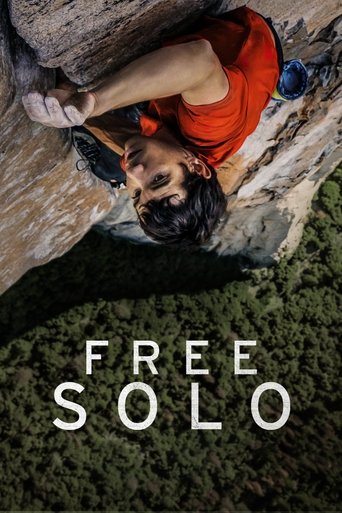
Free Solo (2018)
Directed by Jimmy Chin, Elizabeth Chai Vasarhelyi
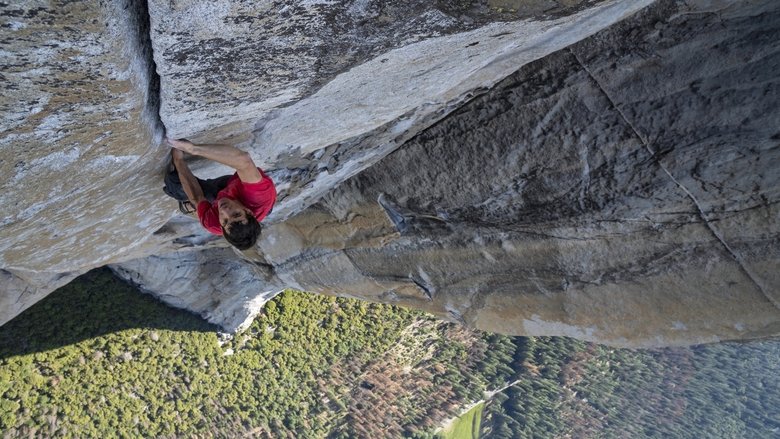
Follow Alex Honnold as he attempts to become the first person to ever free solo climb Yosemite's 3,000 foot high El Capitan wall. With no ropes or safety gear, this would arguably be the greatest feat in rock climbing history.
Overview, poster, and credits from TMDB.
Read and watch our full recap ↓FROM THE RECAPRUSH LIBRARY · FULL RECAP
Free Solo (2018) Recap & Ending Explained: Why the Summit Does Not End the Question of Risk
10 min read · Estimated reading time— views
Intro + RecapRush Viewpoint
Free Solo has an outcome that can be stated in one sentence: Alex Honnold completes a ropeless ascent of El Capitan. Its more difficult subject is the space between his ability to attempt that climb and everyone else’s ability to live with the attempt. The summit resolves the physical challenge. It does not automatically settle the argument about what a person owes to those who care about him.
RecapRush interpretation: The documentary’s strongest tension comes from unequal control. Honnold can prepare and make decisions on the rock; his girlfriend and friends must wait with consequences they cannot manage. Achievement and relief therefore arrive together, without becoming the same feeling.
Spoilers: This guide covers the preparation, abandoned attempt and successful climb in the 2018 documentary. It distinguishes the documented event from our reading of the film. Research and editorial interpretation are based on the sources below, not a claim of first-hand viewing. This is film commentary, not climbing instruction.

Table of Contents
Quick Facts
- Film: Free Solo (2018)
- Directors: Elizabeth Chai Vasarhelyi and Jimmy Chin
- U.S. theatrical release: September 28, 2018, per distributor Greenwich Entertainment
- Runtime: 100 minutes, per TMDB
- TMDB genres: Documentary, Adventure
- Central subject: Alex Honnold’s ascent of the Freerider route on El Capitan, Yosemite
- Date of the successful climb: June 3, 2017
- TMDB movie ID: 515042
The climb happened in 2017; the documentary was released in 2018. These dates describe different events. [1–3]
Full Spoiler Recap
A private ambition becomes a shared project
Honnold is an accomplished climber whose life includes long stretches in a van. His goal is to ascend El Capitan without a rope. The film follows his preparations alongside a developing relationship with Sanni McCandless and the camera crew’s own involvement. [1, 4]
The directors initially intended a portrait of Honnold, rather than a film built around this particular ascent. At an October 2018 National Board of Review discussion, they described reconsidering the project when they learned what he wanted to do. They worried about whether recording the attempt could affect it. [5]
This establishes two stories with different measures of progress. On the wall, improvement can be specific. Within a relationship, knowing another person more deeply can make the uncertainty greater rather than smaller.
Rehearsal makes the route familiar, not harmless
Training and repeated roped practice precede the final climb. Honnold studies difficult sections, records movement sequences and works to make execution dependable. Tommy Caldwell participates in the preparation. Injuries and setbacks interrupt the project, and an earlier solo attempt ends when Honnold turns back. [4, 6]
The abandoned attempt is an essential part of the story. A film about success needs room for a decision that does not immediately produce a spectacular image. Without that possibility, the camera’s demand for an ending could quietly become another pressure on the climber.

The people beside the climb
McCandless’s relationship with Honnold gives the project an emotional consequence beyond athletic performance. The film also includes the filmmakers’ discussions of risk, camera placement and distraction. Their concern is not just whether the images will work: their friend could die while they are making them. [4, 5]
Outside’s contemporary review records an especially revealing contrast: after Honnold withdraws from the earlier attempt, veteran soloist Peter Croft supports the decision. Later, camera operator Mikey Schaefer struggles to watch the successful ascent. [7] Knowledge and experience do not eliminate their alarm.
June 3, 2017: the successful ascent
Honnold returns to Freerider and completes the ascent in three hours and 56 minutes. National Geographic reported the event independently of the later film release. The difficult Boulder Problem is among the sections he identifies in his post-climb interview. At the top, he celebrates with the team. [3, 8]
The ending moves from anticipation to the fact of survival. Honnold’s first interview also makes clear that he does not understand the accomplishment as retirement: he still has training planned. [8] The story reaches a summit; the athlete’s way of organizing his life continues.
Cast and Characters
Cast and Characters
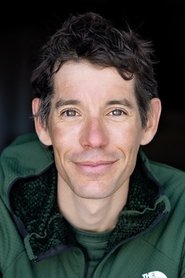
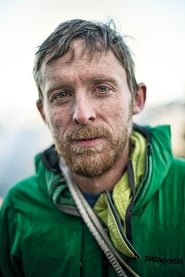
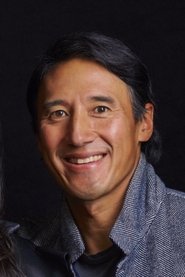



This is a documentary, so the people in the accompanying TMDB portrait gallery appear as themselves rather than playing fictional characters. Honnold is the subject, McCandless is his partner during the period covered, Caldwell contributes climbing experience, and Chin is both a filmmaker and a participant in the surrounding story. The gallery links to their RecapRush profiles. [1, 2, 9]
The film does not require these people to agree before their responses become meaningful. Concern is evidence of their stake in the event, not a failure to appreciate the achievement.
Ending Explained
Does Alex Honnold really complete the climb?
Yes. The successful June 3, 2017 ascent is a documented event, not a fictional twist or an imagined ending. Contemporary National Geographic reporting confirms the result. [3] The documentary builds suspense from how the attempt is experienced, even when the historical outcome is already known.
That distinction explains why a spoiler does not remove all the tension. Knowing that someone survives is different from watching the choices through which survival remains uncertain to everyone present.
Why does the ending return to ordinary routine?
Honnold’s post-climb interview includes his intention to use a hangboard that day and his continuing desire to climb hard routes. [8] The routine can seem surprising beside the scale of the event.
RecapRush interpretation: For an audience, the ascent is exceptional because it occupies the climax of a film. For the subject, the years of preparation belong to an ongoing practice. The difference prevents the ending from becoming a simple transformation story in which one extraordinary day changes every part of a person.
More from RecapRush
 Whalefall (2026) Recap & Ending Explained: Jay’s Escape and His Father’s Letter
 Beware Boiúna (2026) Recap & Ending Explained: Why Lena Survives Without Killing the Serpent
 Loki Season 1 (2021) Recap & Ending Explained: Why Sylvie Breaks the Sacred Timeline
It also changes the meaning of discipline. A training session is not necessarily proof that the summit meant little. It may show how a major achievement is absorbed into habits that existed before the cameras arrived. The same habits that enable a milestone can make stopping afterward feel less natural than continuing.

Does success prove the risk was justified?
The successful outcome answers what happened. It cannot, by itself, answer what should have been decided before the outcome was known.
RecapRush interpretation: That is the most productive way to resist both easy responses to the film. Admiration need not erase the fear experienced by the people around Honnold. Concern need not erase the skill and intention involved in his achievement. The documentary is richer if neither response is treated as a mistake that the other must defeat.
A viewer who applauds can still ask about responsibility. A viewer who disapproves can still recognize the work. Holding those judgments together is more demanding than turning the climber into either a motivational emblem or a warning label.
Deep Analysis
Expertise changes the questions we ask
The film’s preparation material replaces a vague question—whether someone is brave enough—with more particular questions about readiness, choice and conditions. It does not convert the attempt into a reliable formula for other people.
Our reading is that detail has a double effect. It makes an apparently impossible action intelligible, but it can also tempt an audience to confuse understanding with control. Recognizing how a difficult passage is approached does not mean that every possible consequence has been removed. The spectator gains a vocabulary, not a guarantee.
Love does not come with a shared risk tolerance
McCandless’s presence keeps a second standard of value in the story: a future together can matter as much as an individual goal. The directors described her emotional openness and willingness to push back as important to their portrait of Honnold. [5]
RecapRush interpretation: It is unfair to reduce that position to an obstacle the hero must overcome. A relationship can respect autonomy while making the costs of a decision visible. Support does not require pretending that fear is absent, and disagreement does not establish that one person has failed to understand the other.
The documentary’s unresolved quality follows from that distinction. Reaching the top can end a period of waiting. It cannot automatically create identical priorities between two people. Relief is real without being a permanent solution to how a shared life should be organized.
The camera is part of the situation
In the National Board of Review conversation, Honnold said he would have pursued the goal without the film. The directors still described the effect of filming as a continuing ethical concern. [5] Those positions can coexist: a pre-existing ambition does not make observation irrelevant.
RecapRush interpretation: The audience also occupies a complicated position. We want access to an event because it is extraordinary, but access brings people, equipment and expectations. Showing the filmmakers’ doubts makes that appetite visible. It asks us to enjoy a remarkable image without assuming the process that produced it was neutral.
What Most Viewers Missed
Turning back belongs inside an achievement story
The earlier withdrawal is not merely a delay before the part that matters. It gives the later attempt a different meaning: the climber has demonstrated that continuing is a decision, not an obligation to complete a film. In our reading, an achievement narrative becomes less honest when it edits every refusal into weakness.
The title describes one kind of solitude
“Solo” names the ascent’s style. It does not mean the project has no social world. Practice partners, a relationship and a production team remain part of the account. Treating the title as a statement that Honnold needs nobody would miss the very material that makes the film more than a record of movement.
A documentary ending is also an editorial boundary
The film closes an account of this project. It is not a complete explanation of Honnold’s subsequent life, nor permission to turn every later event into proof of what he must have felt here. Our interpretation stays within the period and material covered.
Mid/Post-Credits
The sources checked for this guide do not reliably establish a separate narrative scene after the credits. We do not invent an additional ending or claim a credits reveal changes the documented result. The climb’s outcome is independently confirmed by the contemporary reporting cited below.
Final Thoughts
Free Solo allows achievement and unease to occupy the same ending. Its subject reaches the top, while the people around him make clear why the audience’s relief cannot be measured by a stopwatch.
The lasting question is what it means to admire an achievement responsibly. We can recognize extraordinary work without extracting a universal instruction to risk everything. We can care about the people waiting without pretending that care gives them complete control. That tension is the film’s human subject.
FAQ
Is Free Solo a fictional climbing thriller?
No. It is the 2018 documentary directed by Elizabeth Chai Vasarhelyi and Jimmy Chin, covering a real 2017 ascent. [1–3]
What is the difference between the event date and the movie year?
Honnold completed the climb on June 3, 2017. Greenwich lists the U.S. theatrical opening as September 28, 2018. [1, 3]
Does “free solo” mean ropes were never used during preparation?
No. The successful ascent was ropeless; preparation included roped climbs. The film and the filmmakers’ discussion distinguish rehearsal from the final attempt. [4, 5]
Is there a hidden tragic ending?
No. The completed ascent is confirmed by reporting from the time. A speculative interpretation is not evidence that the documented result was imaginary. [3]
Join the conversation
What did you think of the ending? Share your interpretation. Spoilers may appear below.
This product uses the TMDB API but is not endorsed or certified by TMDB.
No comments yet. Start the conversation.