

RECAPRUSH TV GUIDE
Plastic Beauty (2026)
When a gifted ER surgeon is thrust into cosmetic medicine, her clash with a celebrity doctor exposes the greed and desire beneath the glamour.
Overview, poster, and credits from TMDB.
Read and watch our full season recap ↓FROM THE RECAPRUSH LIBRARY · FULL SEASON RECAP
Plastic Beauty (2026) Series Recap & Ending Explained – What Happens to Fumi and Rin?
7 min read · Estimated reading time— views
Plastic Beauty (ダウンタイム / Downtime) follows two doctors who disagree about what it means to heal a patient. Emergency surgeon Fumi Numata prioritizes physical survival, while celebrity cosmetic surgeon Rin Tohyama insists that appearance can carry profound emotional consequences. Across eight episodes, their professional rivalry becomes inseparable from family history.
RecapRush viewpoint: The series is strongest when it asks the doctors to revise their certainty. The ending brings safety and empathy together without suggesting that either can replace the other.
Spoiler warning: This guide discusses all eight episodes and the finale, “Deconstruction.”
Featured Image

Table of Contents
Quick Facts
- Title: Plastic Beauty
- Original title: ダウンタイム / Downtime
- Premiere: September 17, 2026
- Season 1: Eight episodes
- Country: Japan
- Platform: Netflix
- TMDB genre: Drama
- Director: Yuki Saito
- Writer: Junya Ikegami
- TMDB TV ID: 298008
Full Episode Spoiler Recap
Episode 1: God of Updates
Fumi removes a dangerous implant from influencer Kana Kokobun to save her life. The decision protects Kana’s body but changes the appearance on which her public identity depends. Backlash threatens Fumi’s career and introduces the series’ central problem: a medically defensible intervention can still carry consequences the doctor has not understood.
Episode 2: Lift Those Lips
Fumi joins Tohyama Clinic and clashes with Rin. Fumi sees surgery primarily as treatment for illness or injury; Rin argues that distress over appearance deserves attention too. Working together forces both women to confront the limitations of their positions.

Episode 3: Sculpting the Future
A terminally ill widow requests a major cosmetic transformation. Her request challenges Fumi’s assumption that these procedures amount to vanity. The case raises a question about agency: who gets to decide what makes a patient’s remaining time meaningful?
Episode 4: Daughters
A child influencer’s case exposes the difficulty of separating a young patient’s wishes from parental ambition. Rin’s relationship with her father, Arata Tohyama, brings that conflict close to home. His reputation as the “Hand of God” has shaped the identity she presents to the world.
Episodes 5–6: Sculpting the Past and Secrets
Fumi’s investigation brings the clinic’s records into contact with her own family history. Rin’s alliances weaken as the institution’s polished image becomes harder to maintain. The story’s medical disputes are increasingly tied to private grief, control and concealed relationships.
Episode 7: The Hand of God
Fumi discovers that Arata is her biological father, making her and Rin half-sisters. She tells Rin and resigns from the clinic. The revelation does more than change their family tree: it threatens the trust the two doctors had begun to build and places their rivalry inside Arata’s legacy.
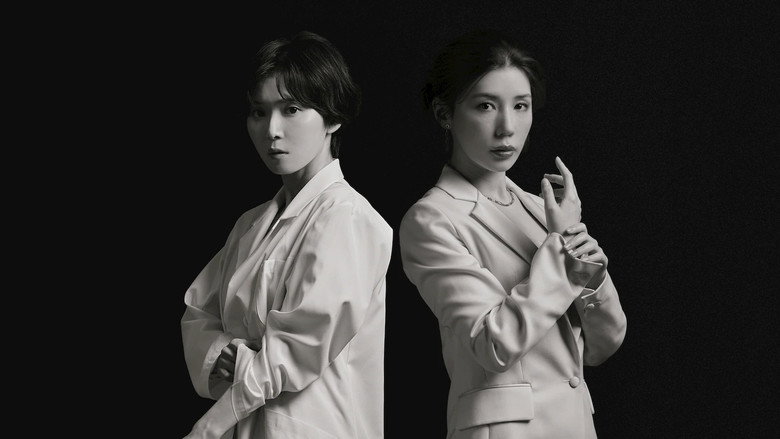
Episode 8: Deconstruction
A serious motorcycle accident leaves Fumi with facial injuries. She asks Rin to perform reconstructive surgery, experiencing personally the vulnerability of a patient asking another doctor to understand her needs. Rin returns to help, and the operation becomes a turning point in their relationship.
Rin closes the clinic and travels. Fumi moves toward independent practice, carrying a broader understanding of care. Their futures depend less on preserving the old institution than on deciding what kind of doctors they want to become.
Cast and Characters
Cast and Characters










Mayu Matsuoka plays Fumi Numata, Riisa Naka plays Rin Tohyama, Shotaro Mamiya plays Rui Komiya, and Atsuro Watabe plays Arata Tohyama. Verified TMDB profiles are provided in the cast cards.
Ending Explained
Are Fumi and Rin Half-Sisters?
Yes. The revelation that Arata is Fumi’s biological father makes the doctors half-sisters. Their connection reframes the conflict, but it does not automatically repair their relationship. They still have to decide whether they can trust each other after the truth emerges.
Why Does Fumi Ask Rin to Operate?
Her accident makes the emotional consequences of facial injury immediate. Asking Rin for help shows that Fumi now recognizes something beyond physical survival. It also expresses trust in Rin’s skill and gives the women a way to reconnect through care.
More from RecapRush
 The Weight (2026) Recap & Ending Explained: Why Samuel Bargains With Clancy Instead of Killing Him
 Inception (2010) — Full Spoiler Recap & Ending Explained
 Doctor Strange (2016) Recap & Ending Explained: Why Surrender Is Stephen's Winning Move
Why Does Rin Close the Clinic?
Closing it separates her future from the brand and expectations associated with her father. RecapRush reads that decision as a refusal to let the institution define her entire identity. It need not mean that she has abandoned medicine or that her professional abilities have failed.
What Does “Deconstruction” Mean?
The title describes the dismantling of rigid positions. Fumi’s assumptions about cosmetic treatment become more flexible, Rin confronts the persona built around her career, and Arata’s authority loses its unquestioned status. The finale makes rebuilding possible only after those certainties are challenged.

RecapRush Interpretation
The ending does not settle the debate by declaring either doctor completely right. Fumi’s concern for safety remains necessary, while Rin’s attention to self-image supplies something Fumi had underestimated. Their reconciliation suggests a form of care that can hold both priorities together.
Why Reconstruction Is Not a Simple Endorsement of Every Procedure
Fumi’s accident is a turning point, but it should not be treated as a shortcut that proves her earlier concerns meaningless. Repairing facial injuries and agreeing to every requested cosmetic change are different decisions. Her request alone does not settle the ethical questions raised by the child influencer or by commercial pressure at the clinic.
What changes most clearly is her relationship to the person seeking care. She now has to describe what she needs and trust another doctor to take that need seriously. Asking Rin specifically makes the operation a test of their relationship as well as her technique. The half-sister revelation explains their connection; choosing to provide and accept care is what gives that connection a future.
The widow’s request and the child influencer’s case also resist a single rule. One raises a question about an adult’s agency in the time remaining; the other raises a question about whose wishes are being expressed. Reading the finale alongside both cases gives the series a more demanding conclusion than simply declaring Fumi wrong and Rin right. Empathy must become more precise, not less questioning.
Deep Analysis
The family revelation links professional authority to parental power. Arata’s influence shapes how the women understand themselves, even before they know the full extent of their connection. Separating from his control therefore becomes part of deciding how to practice medicine on their own terms.
Fumi’s accident also reverses the direction of judgment: the doctor becomes the patient asking to be heard. Her change matters because it grows from vulnerability rather than from winning an argument.
What Most Viewers Missed
- Saving Kana’s life and understanding Kana’s distress are different responsibilities.
- The child influencer’s case brings consent and parental expectations into the same conversation.
- The sisters’ biological connection complicates their trust; it does not substitute for earning it.
- Rin’s departure can be read as choosing room to rebuild rather than accepting defeat.
Mid and Post Credits
A mid-credits sequence shows Rin traveling after closing the clinic. It presents her in a calmer phase of life. The sequence supports a reading of liberation, but it should not be treated as confirmation of a future season or a specific future reunion.
Final Thoughts
Plastic Beauty ends by letting its characters question the identities that once protected them. Fumi learns to take emotional recovery seriously, while Rin steps away from an institution entangled with her father’s demands. The series leaves their growth more meaningful than a simple victory for either philosophy.
RecapRush rating: 8.2/10 — editorial opinion, separate from TMDB’s audience rating.
Join the conversation
What did you think of the ending? Share your interpretation. Spoilers may appear below.
This product uses the TMDB API but is not endorsed or certified by TMDB.
No comments yet. Start the conversation.